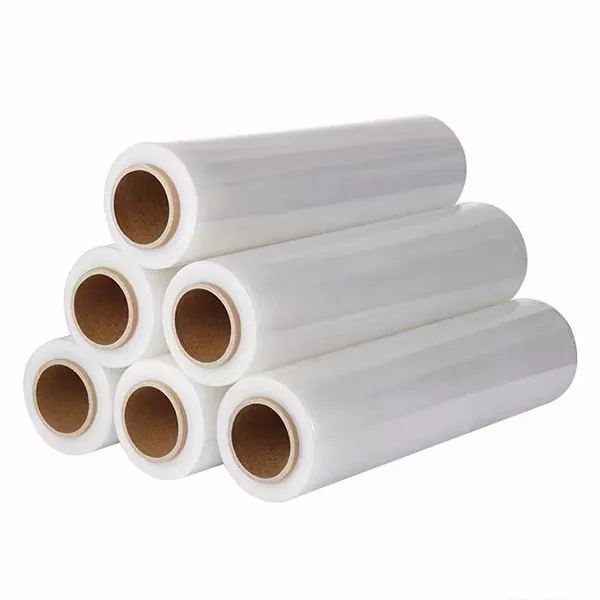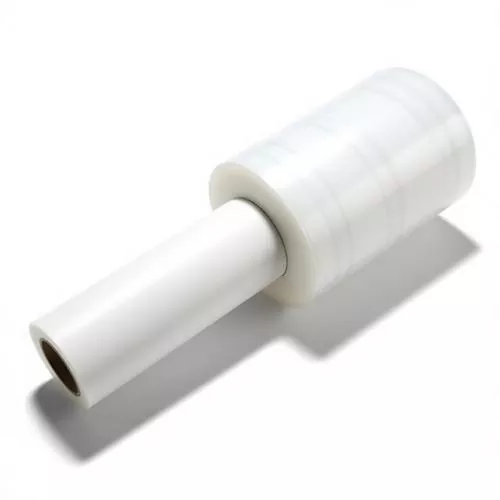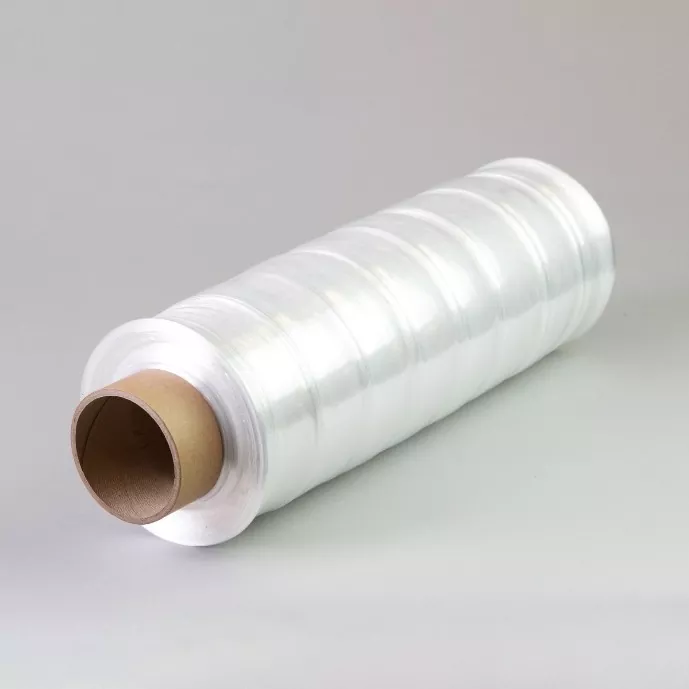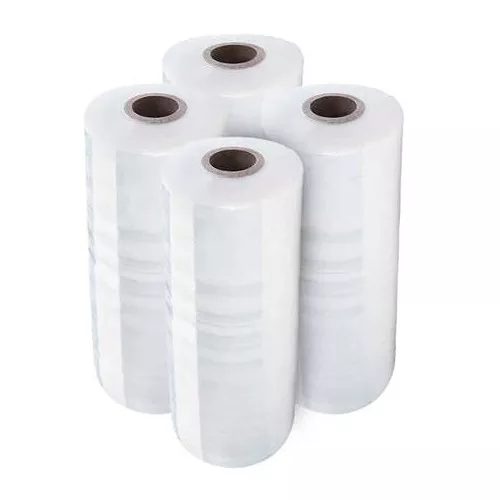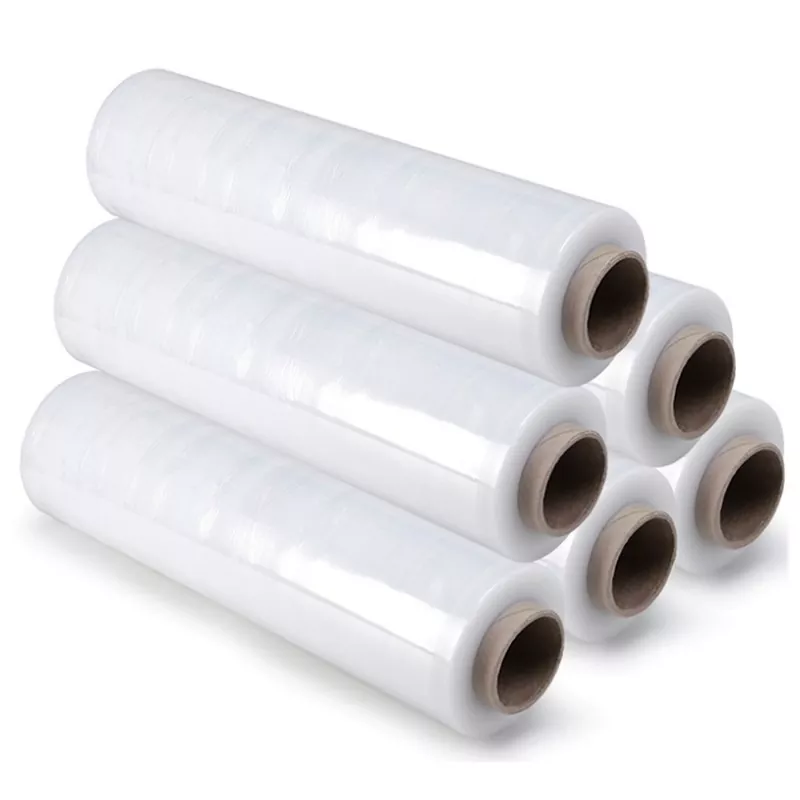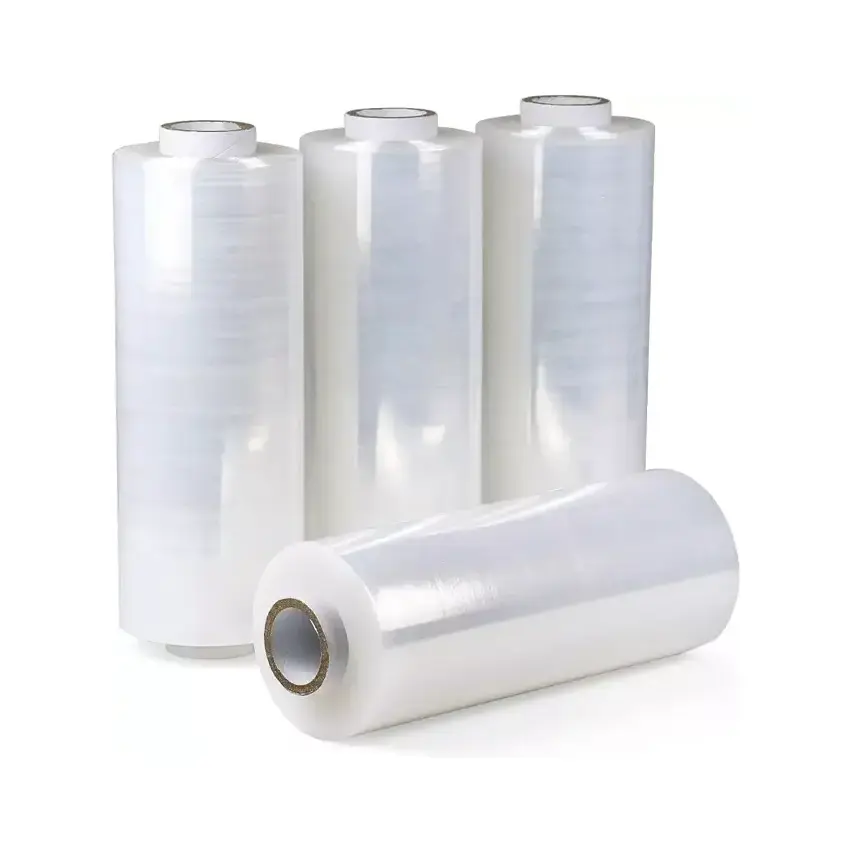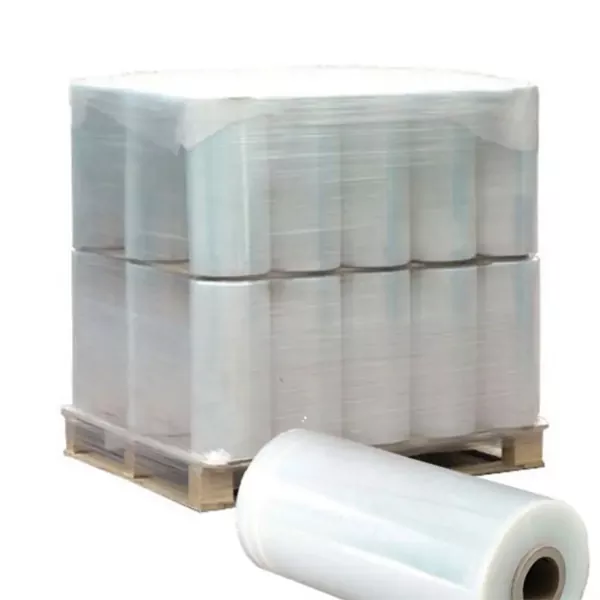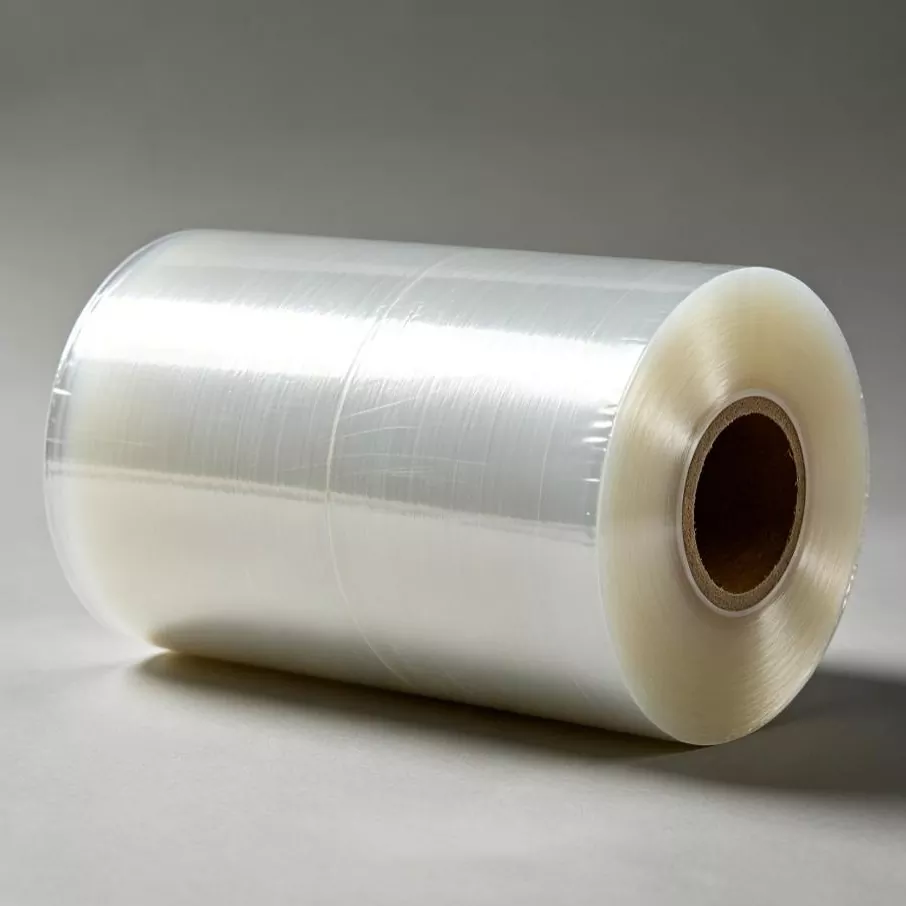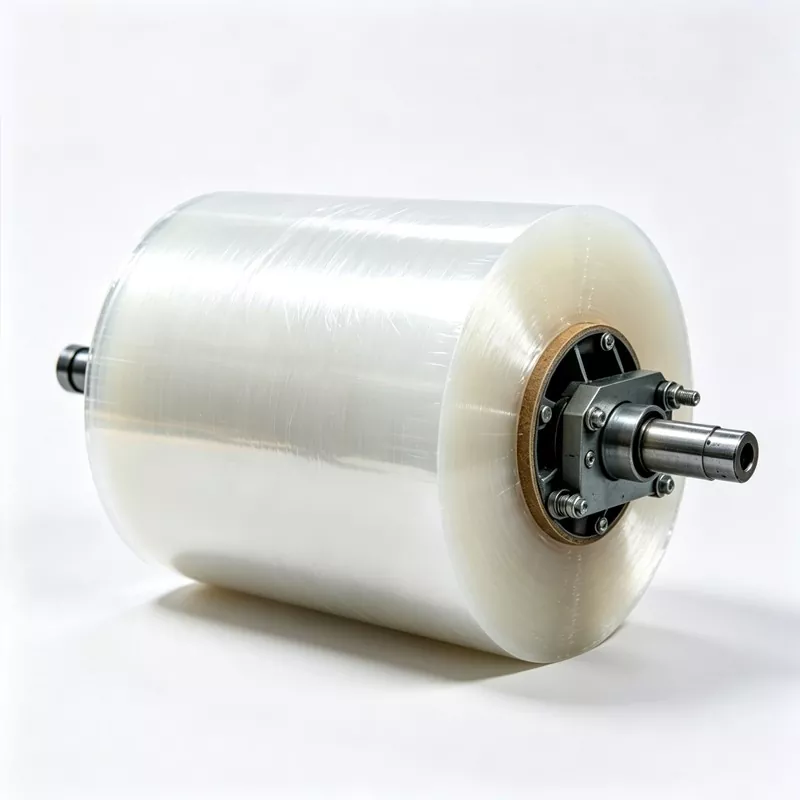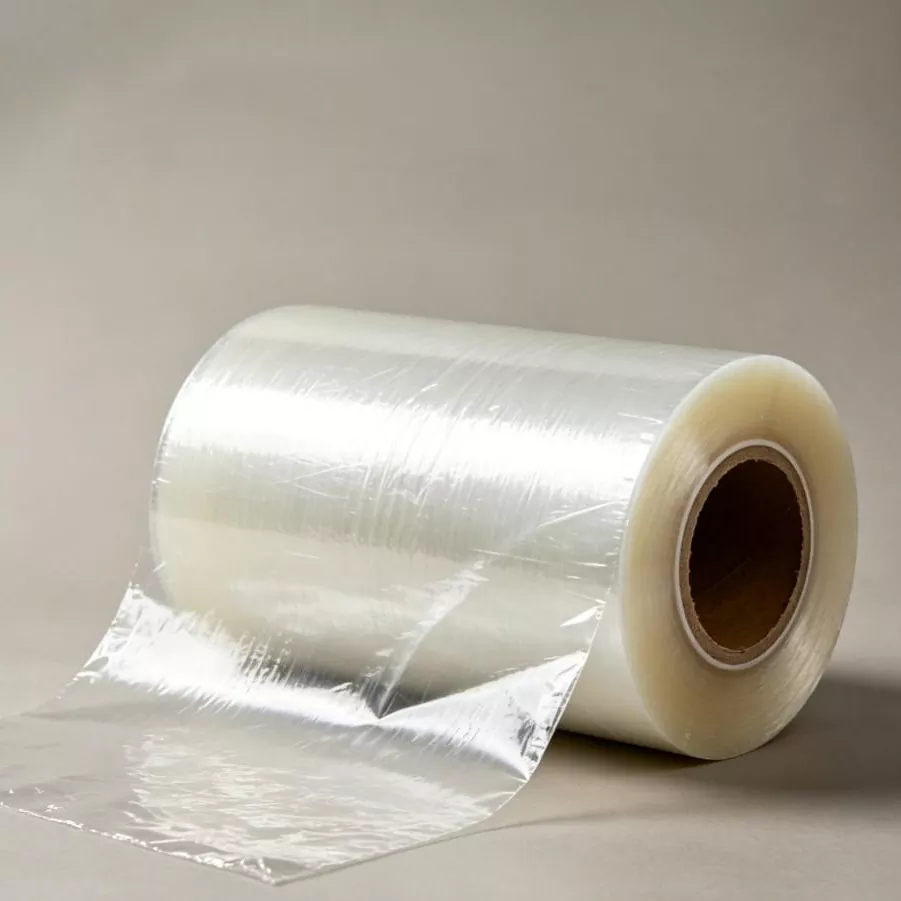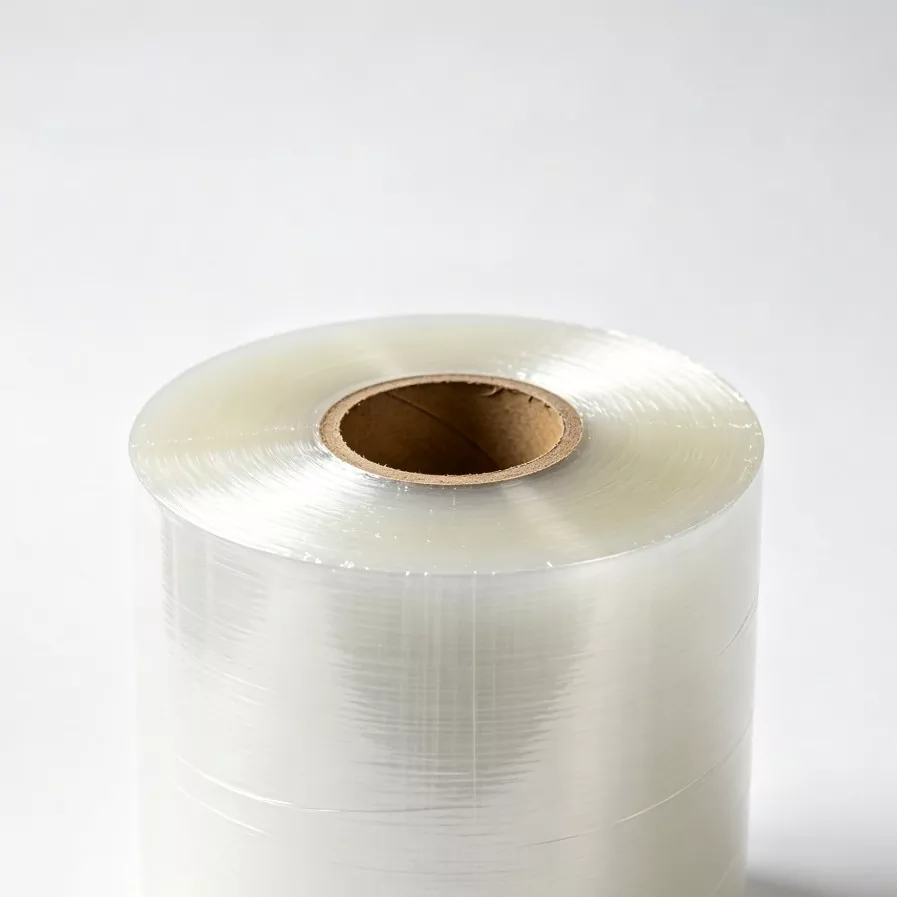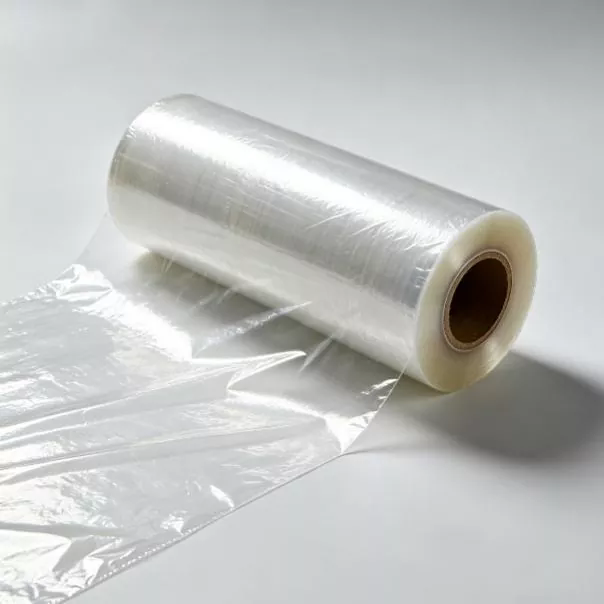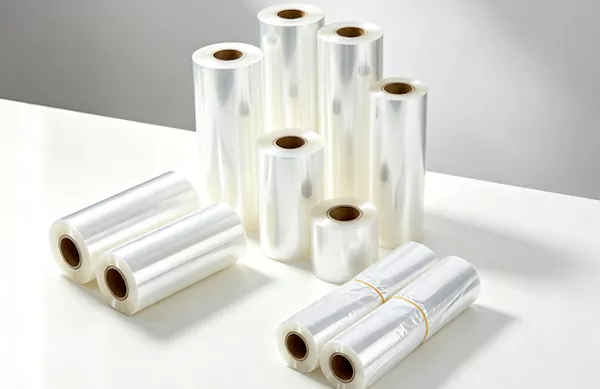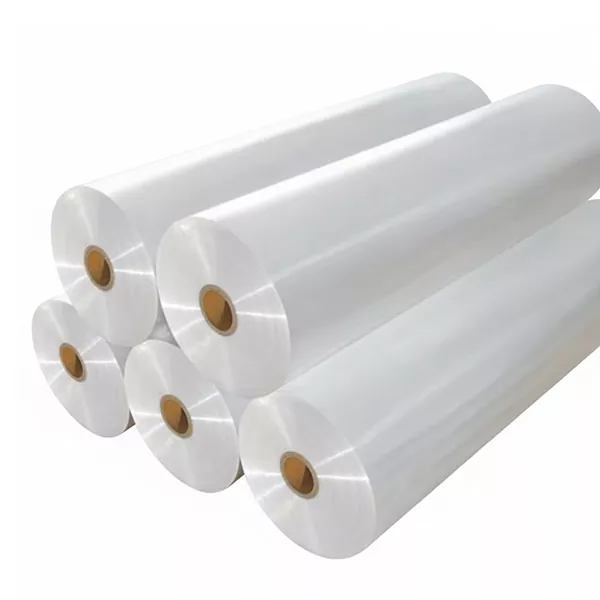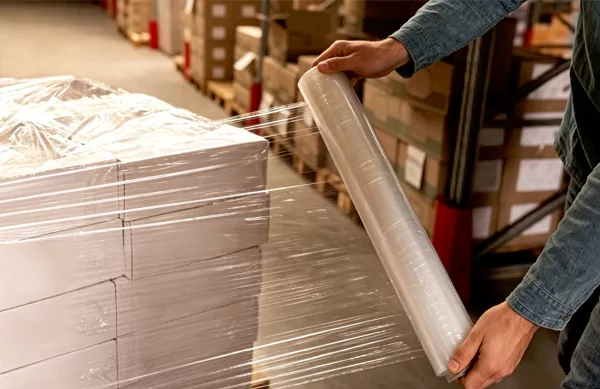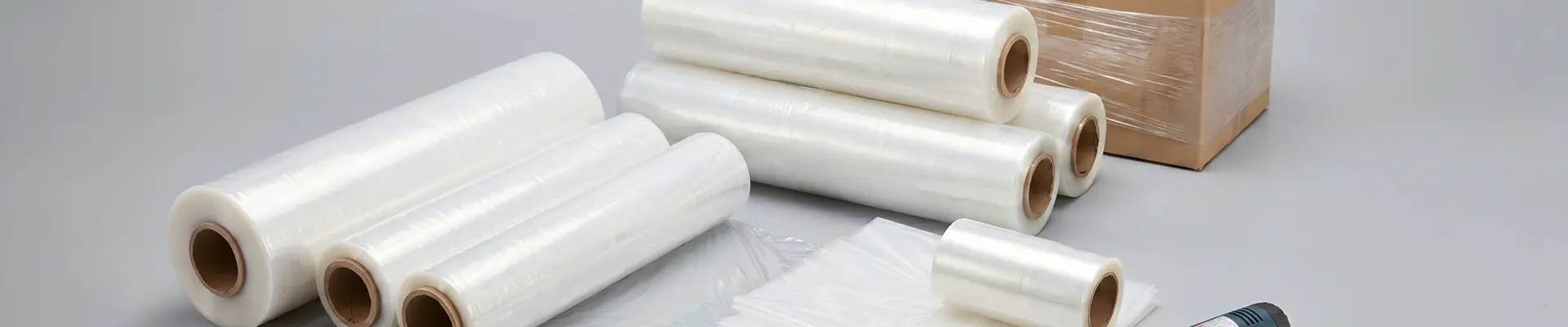
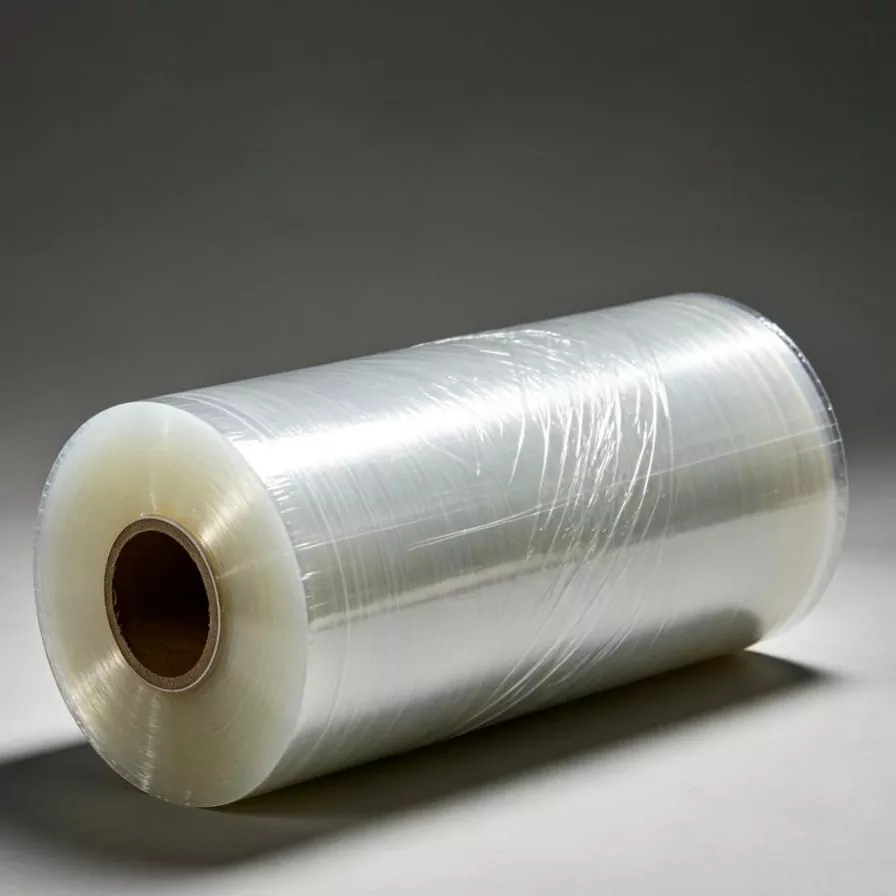
Down-gauge machine stretch film is a reduced-thickness version of conventional machine stretch film. The purpose is to use less polyethylene for each pallet while maintaining the film performance needed during wrapping, storage, handling, and transportation.
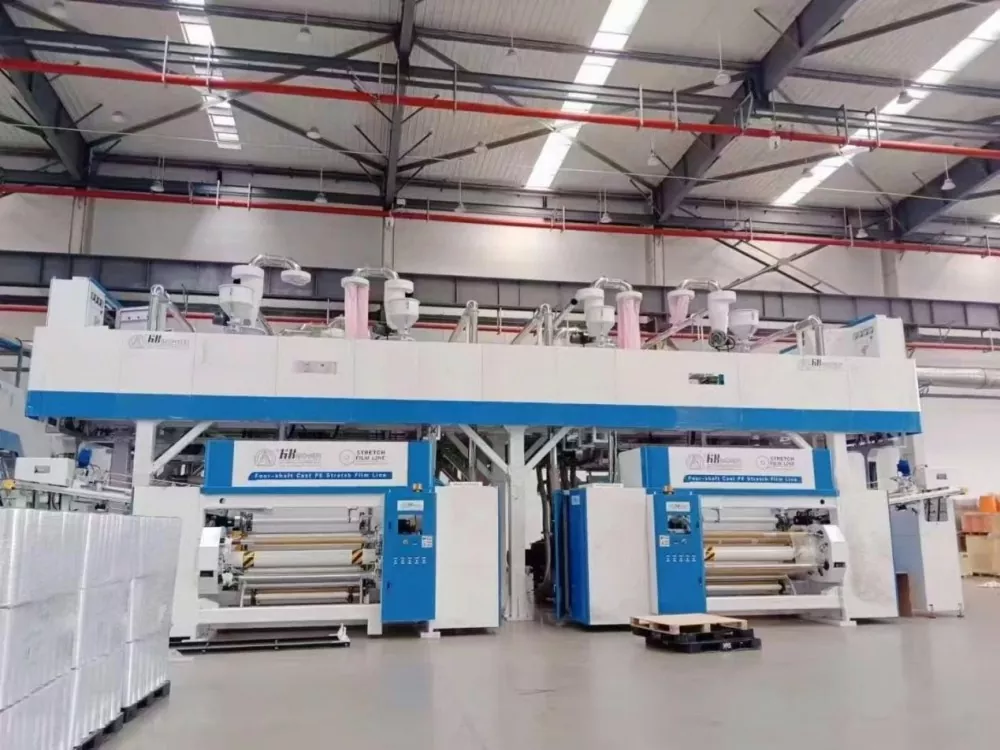
Xiamen Yuhong Plastic Products Co., Ltd. was established in 2008 and manufactures stretch film and packing tape. The company operates with more than 50 employees and has stated an annual production capacity of approximately 5,000 tons.
The film is produced using LLDPE-based formulations and multi-layer extrusion. Instead of relying only on additional thickness to obtain strength, the film structure is designed to balance tensile strength, stretch ratio, puncture resistance, cling, and load containment.
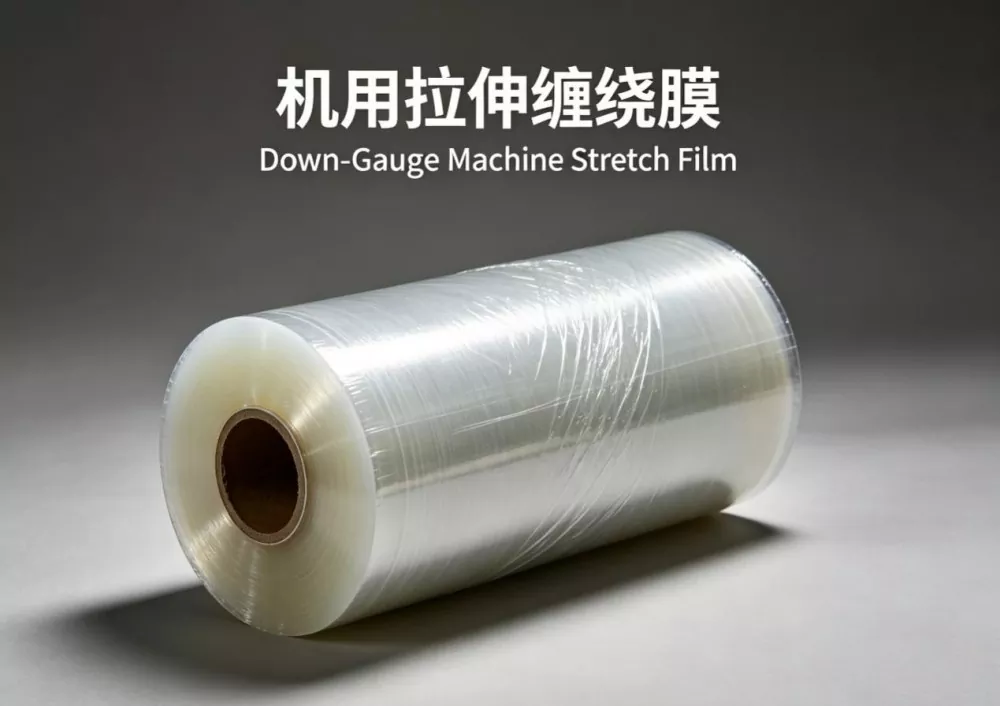
A thinner film does not automatically mean lower packaging cost. If the film breaks during wrapping, requires additional layers, or cannot hold the load securely, the apparent material saving may disappear. A useful down-gauge film therefore needs to reduce material usage without creating problems on the wrapping line.
| Film Type | Typical Thickness | Material Consumption |
|---|---|---|
| Conventional machine stretch film | 20–23 μm | Higher |
| Thin gauge machine stretch film | 12–17 μm | Reduced |
The purpose of down-gauging is to optimize the relationship between film thickness, tensile strength, stretch ratio, and load containment force.
| Technical Parameter | Unit | Typical Value | Note |
|---|---|---|---|
| Film thickness | μm | 12–15 | Thin gauge structure |
| Breaking load (MD) | N | ≥11 | Intended to provide performance comparable with standard 20 μm film |
| Material saving | % | ~20 | Compared with conventional film in suitable applications |
Actual film selection should be based on pallet weight, load shape, wrapping machine, transportation conditions, and required containment force.
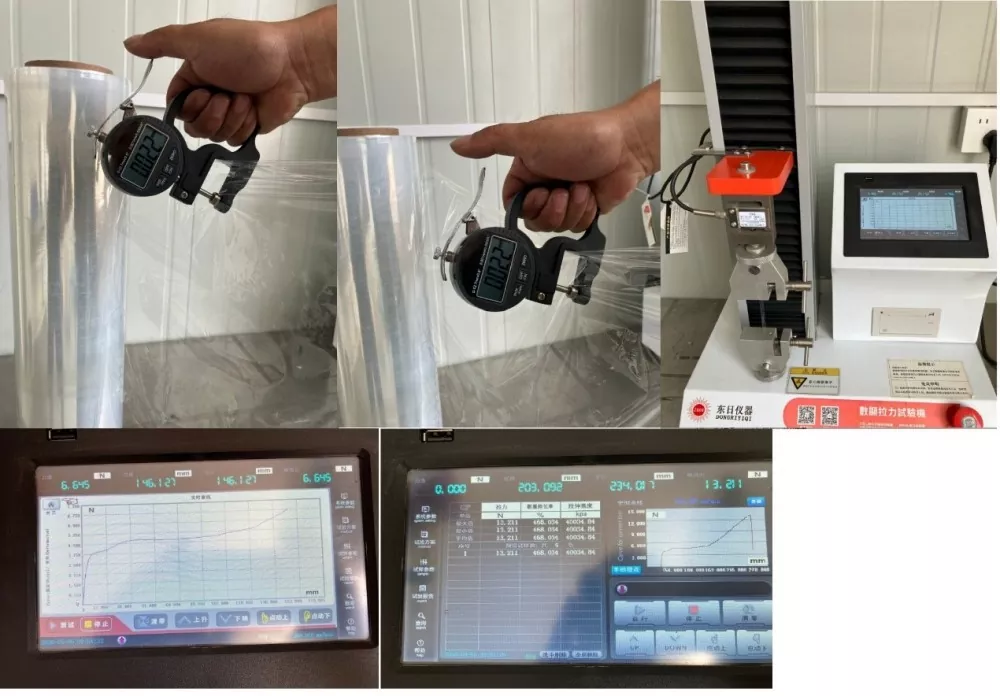
Reducing film thickness puts more pressure on the material formulation and extrusion process. Yuhong uses a multi-layer film structure so different layers can contribute to the final wrapping performance.
| Film Component | Main Function |
|---|---|
| LLDPE base layer | Tensile strength and stretchability |
| High-performance polymer layer | Toughness and load stability |
| Adhesive layer | Inter-layer bonding |
| Surface layer | Film handling and processing performance |
The aim is to make better use of the polymer in each layer rather than simply adding more material. For machine wrapping, this matters because film performance is affected by more than thickness. A film that stretches efficiently but loses holding force after wrapping may not be suitable for a heavy pallet. A film with high strength but poor puncture resistance may fail on loads with sharp corners.
| Comparison | Standard Machine Stretch Film | Down-Gauge Machine Stretch Film |
|---|---|---|
| Film thickness | Higher | Reduced |
| Material usage | Higher | Lower |
| Cost per pallet | Higher material consumption | Potentially lower |
| Machine use | Standard machine wrapping | Designed for automated wrapping |
| Load stability | Mainly related to film thickness and formulation | Achieved through film structure and formulation |
| Waste | Higher material use | Reduced material use |
| Material reduction | Limited | Main purpose of the product |
The key difference is not simply that one film is thinner. Down-gauging changes the way packaging performance is achieved: less material is used, while the film structure and machine settings do more of the work.
For high-volume users, film consumption is easier to control when it is measured at pallet level. A reduction in film thickness can lower:
The actual saving depends on the original film specification, wrapping pattern, stretch ratio, pallet load, and machine settings. Customers should compare film consumption per pallet rather than comparing roll prices alone.
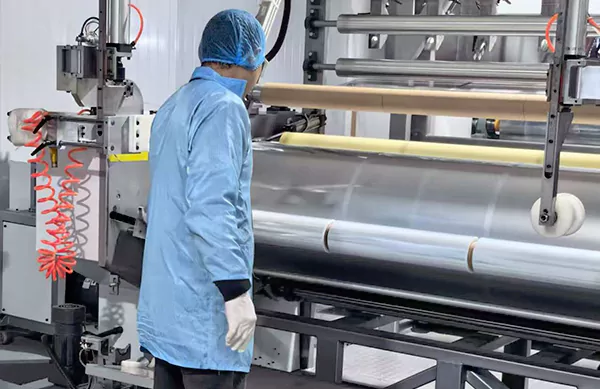
Automatic wrapping equipment needs consistent film thickness and mechanical properties. Variation can result in film breaks, uneven wrapping, machine stoppage, or additional film consumption. Yuhong controls film thickness and mechanical properties during production to support continuous machine wrapping.
The film is intended for applications where operators need:
The correct specification still depends on the machine and load. A thin film should not be selected only because it has the lowest micron value.
Stretch ratio determines how far the film can be extended during wrapping. Higher stretch efficiency can increase pallet coverage per roll and reduce film consumption, but excessive stretching can reduce holding force if the film structure is not suitable for the application. Holding force is particularly important after the pallet leaves the wrapping machine. The film must keep the load together during:
For this reason, film selection should consider the actual load rather than thickness alone.
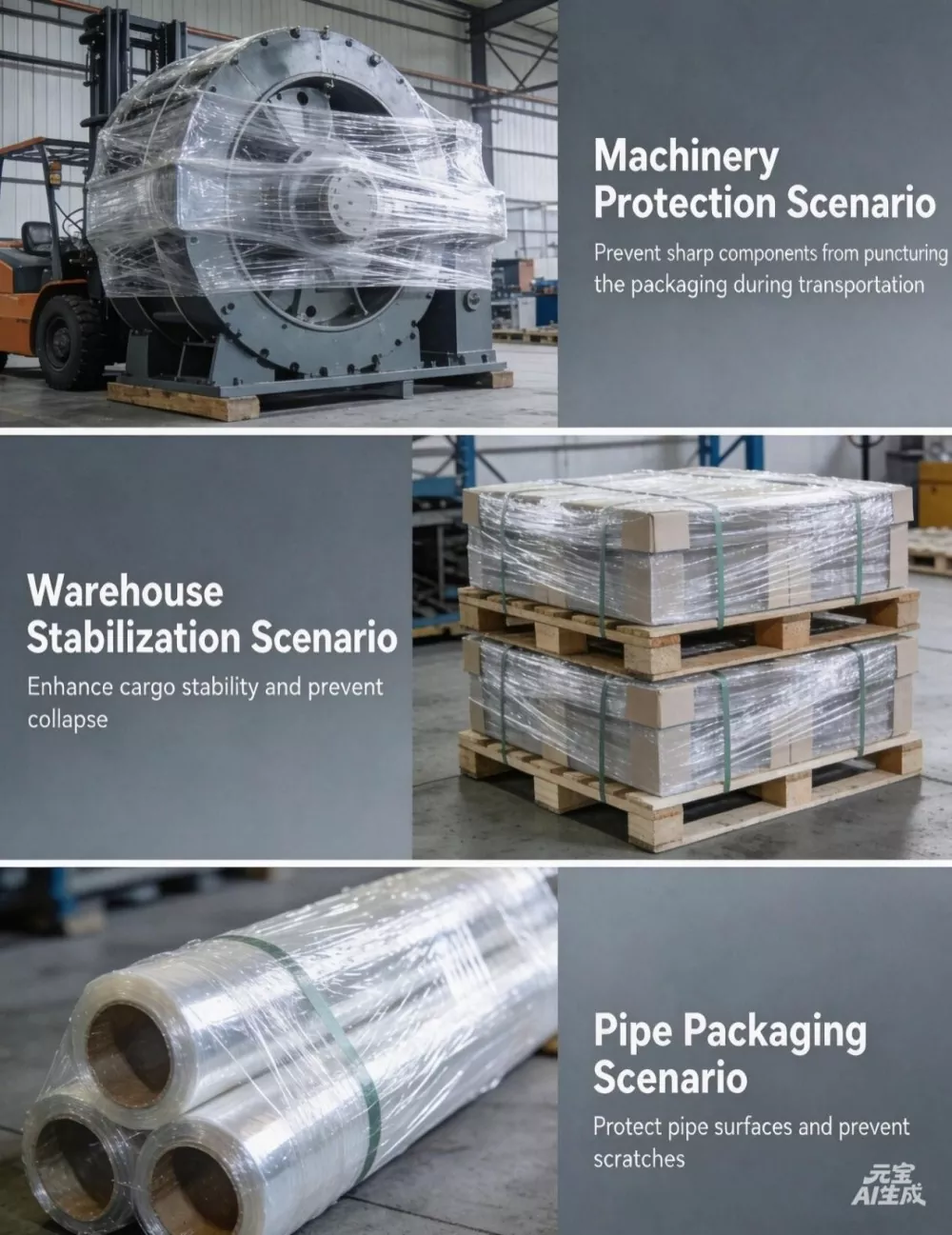
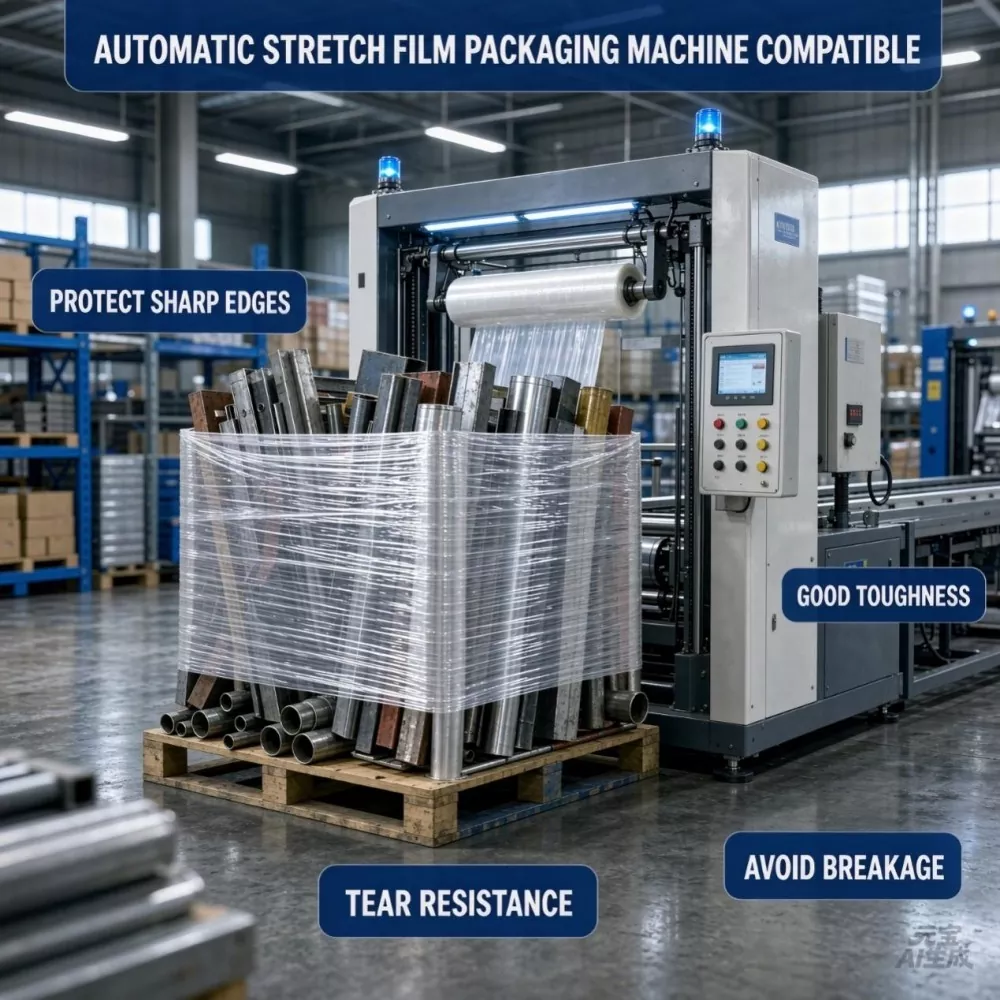
Thin films are often used on pallets containing cartons, machinery parts, industrial products, or other loads with corners and irregular surfaces. If puncture resistance is insufficient, the film may tear during wrapping or handling. This can lead to unstable loads and additional wrapping material. Yuhong's reduced-gauge film is designed to balance lower thickness with toughness and tear resistance. For demanding loads, the film specification should be evaluated against the actual pallet configuration.
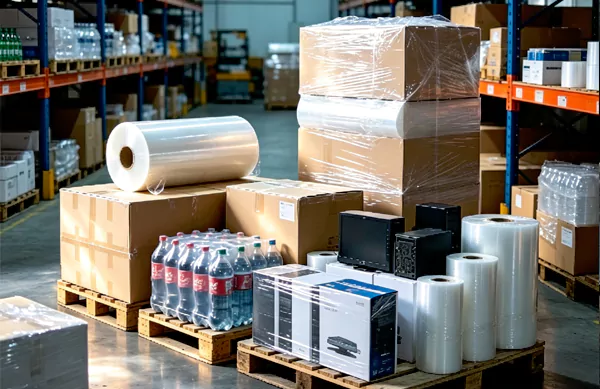
Distribution centers may wrap large numbers of pallets every day. At this volume, even a small reduction in film used per pallet can affect annual material consumption. Down-gauge machine stretch film can be used for palletized goods moving through warehouses, distribution centers, and transport networks.
High-volume fulfillment operations often use automated wrapping equipment for pallet preparation and warehouse transfer. Typical loads include:
The reduced material usage can be useful where wrapping volume is high and film consumption is closely controlled.
Manufacturers can use machine stretch film to secure finished products, components, and industrial supplies before storage or shipment. Typical applications include:
The required film grade should be matched to product weight, load shape, and transportation conditions.
Food and beverage distribution operations commonly wrap palletized goods for storage and transport. Down-gauge film can be considered where the operation requires high wrapping volume and wants to reduce film consumption without changing the basic pallet-wrapping process.
Choosing the thinnest film available is not a reliable way to reduce packaging cost. Before changing from a conventional film, check:
A practical trial on the customer's existing wrapping line is the best way to determine whether a lower gauge can replace the current film.
Producing a consistent thin film requires tighter control than producing a thicker conventional film. A small variation in gauge can affect stretching, machine feeding, and packaging results.
Polyethylene materials are selected according to the required tensile strength, stretchability, toughness, and recovery characteristics. Different polymer grades can be combined to obtain the required balance between film weight and mechanical performance.
The film is produced using a multi-layer co-extrusion process. Different layers are designed for different functions, including strength, toughness, adhesion, and surface handling.
Film thickness is monitored during production because uniform gauge is important for machine performance. Uneven thickness can lead to inconsistent stretching and film breaks.
After extrusion, controlled stretching and cooling are used to develop the required molecular orientation and film properties.
Finished rolls are checked for appearance, thickness, weight, adhesion, and mechanical properties before shipment. Qualified rolls are packed according to export requirements.
Reducing the film gauge leaves less room for variation, so quality control needs to cover both raw materials and finished rolls.
| Inspection Item | Purpose |
|---|---|
| Raw material inspection | Check material consistency |
| Thickness measurement | Verify gauge accuracy |
| Tensile strength test | Check film strength |
| Elongation test | Confirm stretch performance |
| Cling test | Check film-to-film adhesion |
| Puncture resistance test | Evaluate resistance to tearing and puncture |
| Roll weight inspection | Check packaging accuracy |
| Appearance inspection | Check surface defects |
Each production batch is evaluated to maintain consistent performance for customers using automatic packaging systems.
Xiamen Yuhong Plastic Products Co., Ltd. was established in 2008 and specializes in stretch film manufacturing. The company provides:
Customization can cover thickness, width, roll weight, packaging design, and private labeling.
| Item | Data |
|---|---|
| Established | 2008 |
| Factory area | 2,500 m² |
| Production lines | 4 |
| Monthly capacity | 480 tons |
| Export markets | 10 countries |
| Main products | Stretch film, packing tape |
For buyers comparing suppliers, the more useful questions are whether the supplier can hold film thickness consistently, maintain the required mechanical properties, provide repeatable roll specifications, and support the volume required for regular orders.
It is a reduced-thickness machine stretch film designed to use less material per pallet while maintaining the wrapping performance required for the application.
It can in suitable applications, but replacement should be confirmed through an actual packaging trial. Pallet weight, load shape, machine settings, transportation conditions, and required holding force all affect the result.
The source specification lists 12–15 μm as a typical range, while the FAQ in the original specification also lists 12 μm, 15 μm, and 17 μm as common options. Final thickness should be confirmed according to the application and order requirements.
The provided technical specification indicates approximately 20% material saving for suitable applications. Actual saving depends on the customer's current film, wrapping pattern, stretch ratio, and pallet conditions.
Yes. The film is intended for automated pallet wrapping equipment, including rotary arm and turntable systems. Machine settings should be adjusted according to the selected film specification.
Run the film on the actual wrapping line and compare film consumption per pallet, film breaks, wrapping consistency, load stability, and performance after handling and transport.
Provide the current film thickness, roll width, roll weight or length, pallet size, approximate pallet weight, wrapping machine type, monthly consumption, and required packaging or private-label details. These details allow the supplier to recommend a more suitable specification.
Yes. The source information states that thickness, width, roll weight, packaging design, and private labeling can be customized according to customer requirements.
The product can be used for cartons, mixed pallet loads, industrial products, automotive components, electronic products, machinery parts, and other palletized goods. The appropriate film grade depends on the load.
For high-volume packaging operations, the main reason is to reduce film consumption per pallet while keeping the required load containment and wrapping performance. The decision should be based on measured packaging cost rather than film thickness alone.
Address
4th Floor, No. 130, Guankou Middle Road, Guankou Town, Jimei District, Xiamen City, Fujian Province, China
Tel