Yuhong, a China-based stretch film manufacturer and supplier, provides Pre-Cut Hand Stretch Film designed to simplify manual pallet wrapping, improve packing efficiency, and reduce unnecessary film waste. With factory-scored perforations, pre-stretched LLDPE material, and customizable segment lengths, this packaging solution helps warehouses, logistics providers, and manufacturers secure everyday shipments with less cutting and more consistent handling.
Pre-cut hand stretch film is designed for businesses that need practical, efficient, and easy-to-use packaging materials without investing in automated wrapping equipment. Unlike conventional hand stretch film that must be torn or cut manually, this film features controlled perforations that allow operators to separate sections at designated points. When correctly specified for the load, it can simplify wrapping procedures, reduce trimming waste, and improve workflow consistency. This guide explains how pre-cut film works, its main benefits, technical considerations, applications, and selection criteria for commercial packaging operations.
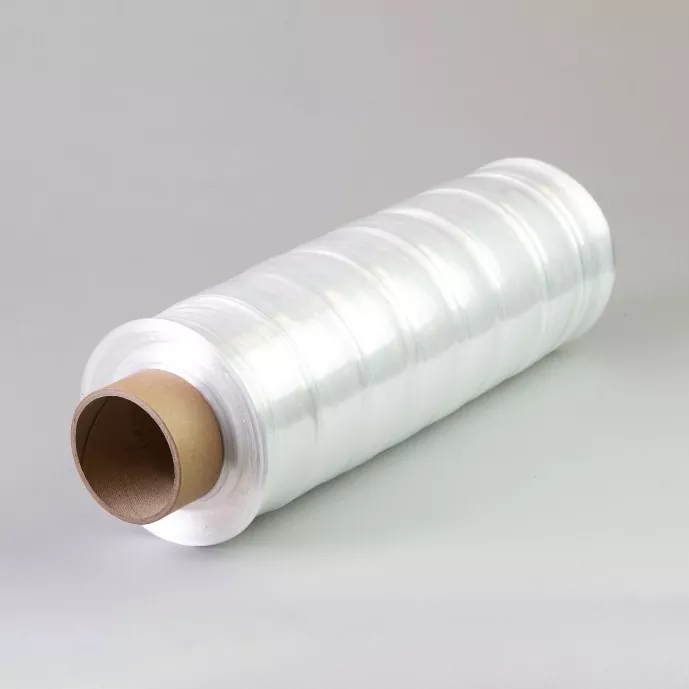
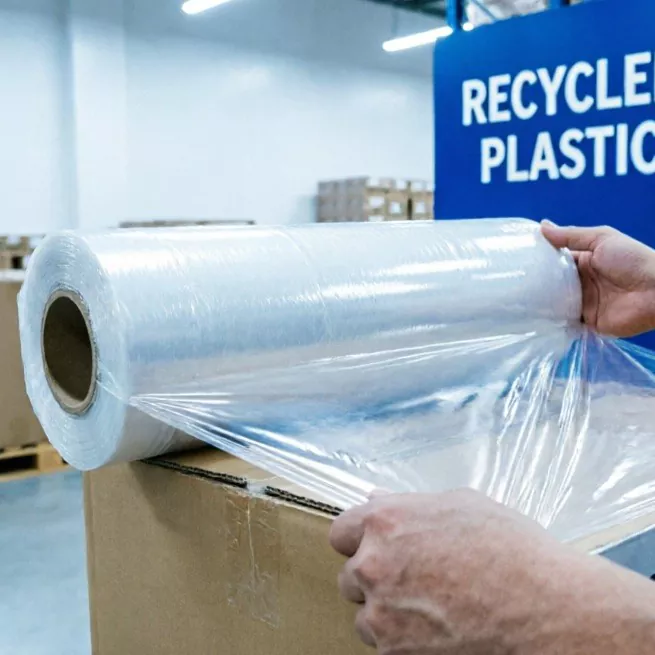
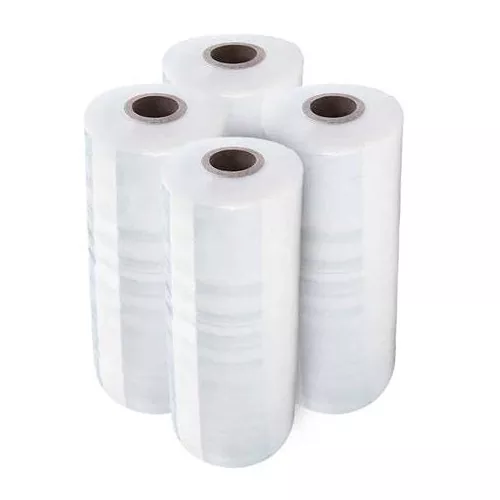
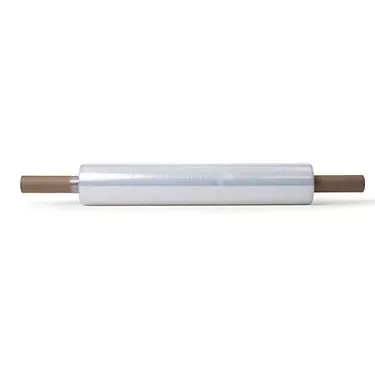
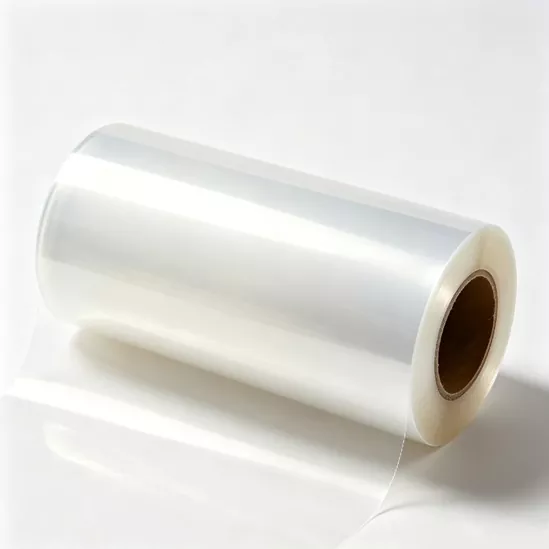
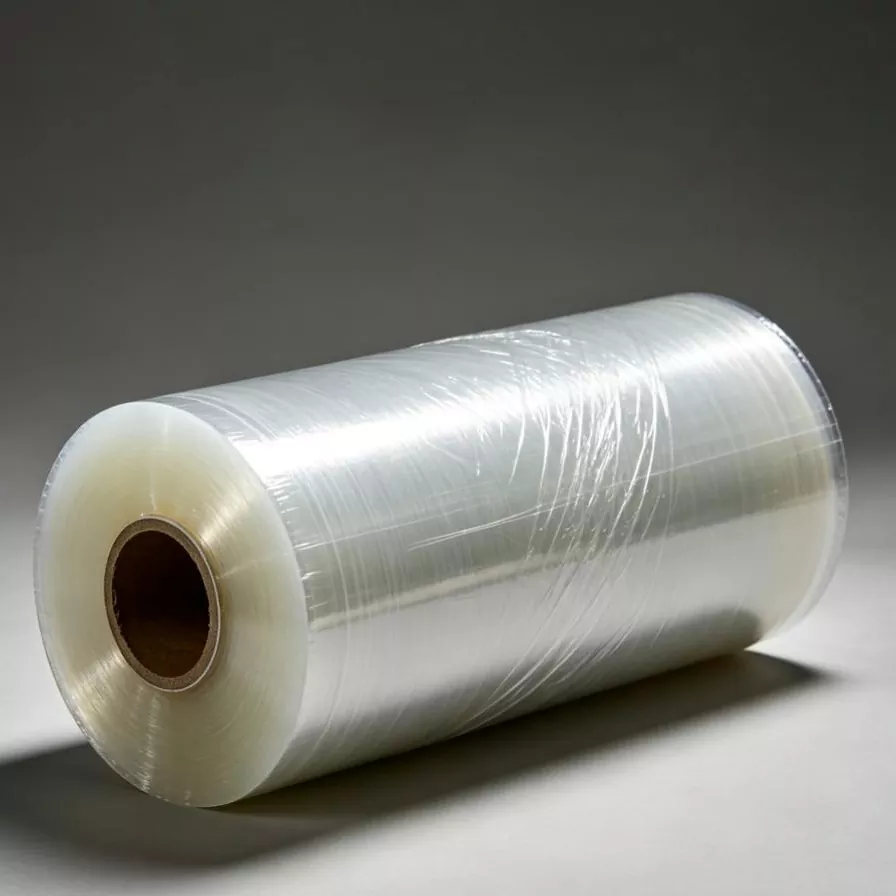
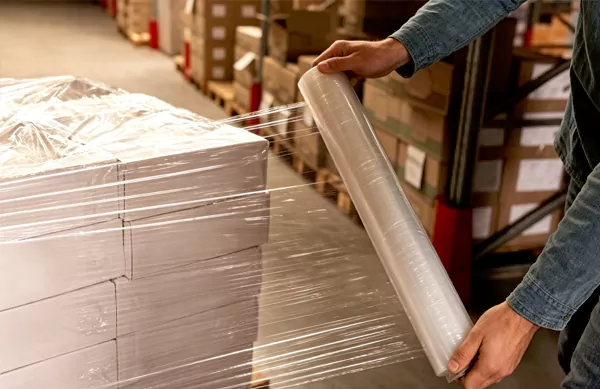
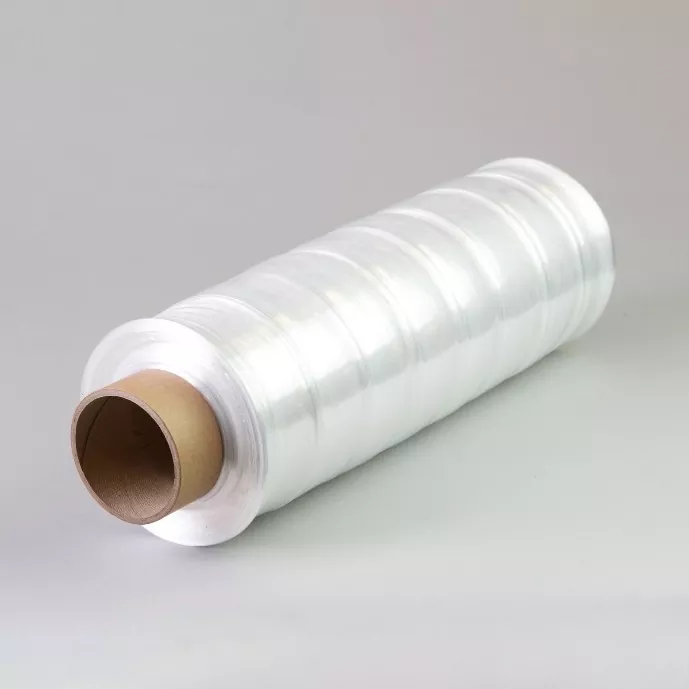
Pre-cut hand stretch film is a manually applied packaging film manufactured with regularly spaced, factory-scored perforations. These perforations create designated separation points, allowing an operator to tear off the required section by hand instead of reaching for a knife or scissors.
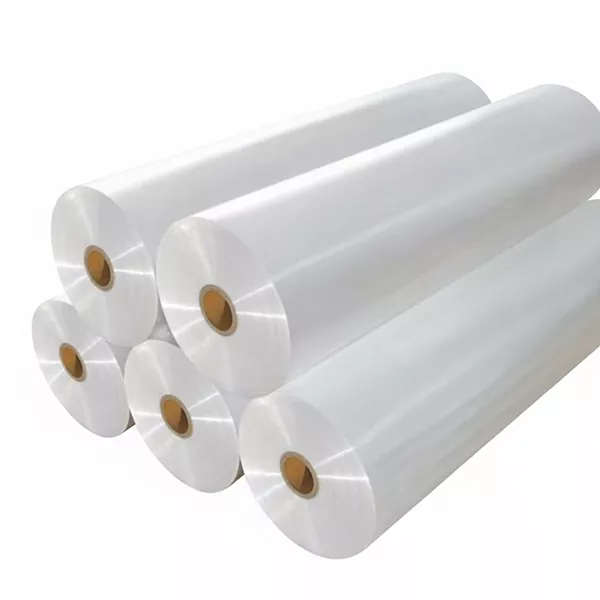
The film is typically made from linear low-density polyethylene (LLDPE), a material widely used in stretch packaging because of its flexibility, puncture resistance, and ability to cling to itself. In Yuhong's pre-cut design, the film is also pre-stretched during production, helping reduce the pulling force required during manual application.
The key difference is operational convenience. Conventional hand stretch film relies on the operator to cut or tear the material at the end of a wrapping cycle. Pre-cut film integrates separation points into the roll, making the process more predictable for repetitive packing tasks.
For businesses that wrap multiple pallets throughout a shift, this small design improvement can simplify operator routines and support a more organized packing station.
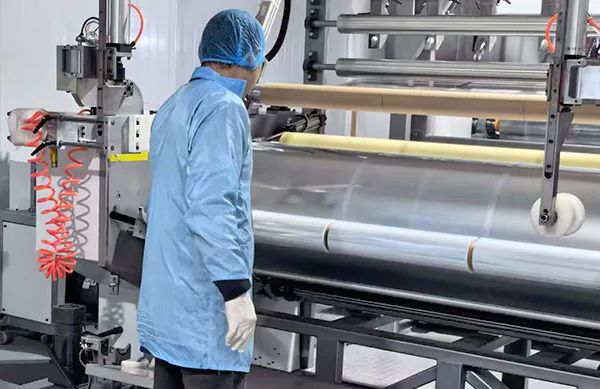
The operating principle is straightforward. During manufacturing, the film passes through a controlled scoring process that creates perforations at specified intervals. The scoring must balance two requirements: keeping the film intact during normal unwinding and allowing clean separation when the operator applies a deliberate pull.
In daily operation, the process generally follows three steps:
Because the separation points are predetermined, workers can follow a repeatable wrapping routine. This is especially useful in facilities where several operators perform the same task or where packing speed varies significantly between shifts.
However, perforation quality matters. Scoring that is too deep may cause premature tearing, while scoring that is too shallow can make separation difficult. Buyers should therefore evaluate both unwinding stability and tear performance before approving a new specification.
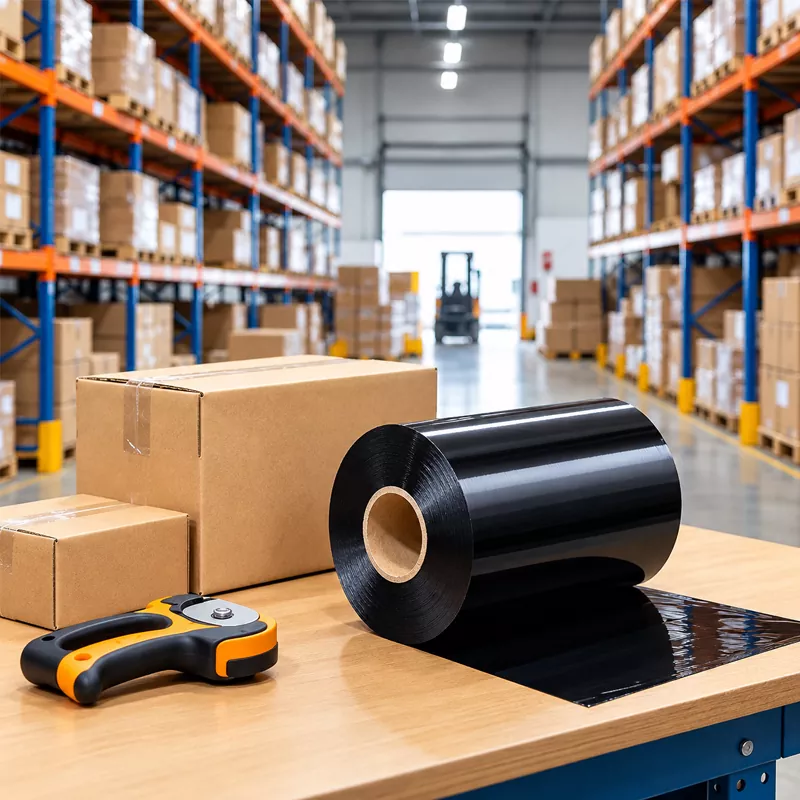
Pre-cut film eliminates the need for a separate cutting step at each designated separation point. Operators can focus on securing the load rather than repeatedly searching for cutting tools. This makes it a practical option for manual packaging stations, temporary packing areas, and facilities that handle changing order volumes.
Removing routine knife use from the film-separation step can reduce exposure to accidental cuts associated with packaging tools. It also helps businesses keep workstations organized. Appropriate training, safe handling procedures, and other workplace controls remain important because pre-cut film does not eliminate every packaging-related hazard.
Controlled separation points can reduce irregular tears and discarded film tails caused by inconsistent manual cutting. The actual savings depend on segment length, load dimensions, operator technique, and the amount of film required to achieve stable load containment. Businesses should measure consumption per pallet rather than assume that every application will deliver the same reduction.
Yuhong's pre-cut product uses pre-stretched LLDPE film. Since stretching is performed during production, the operator does not need to apply the same pulling force that may be required with conventional film. This can make repetitive wrapping more manageable, particularly in busy warehouses and fulfillment operations.
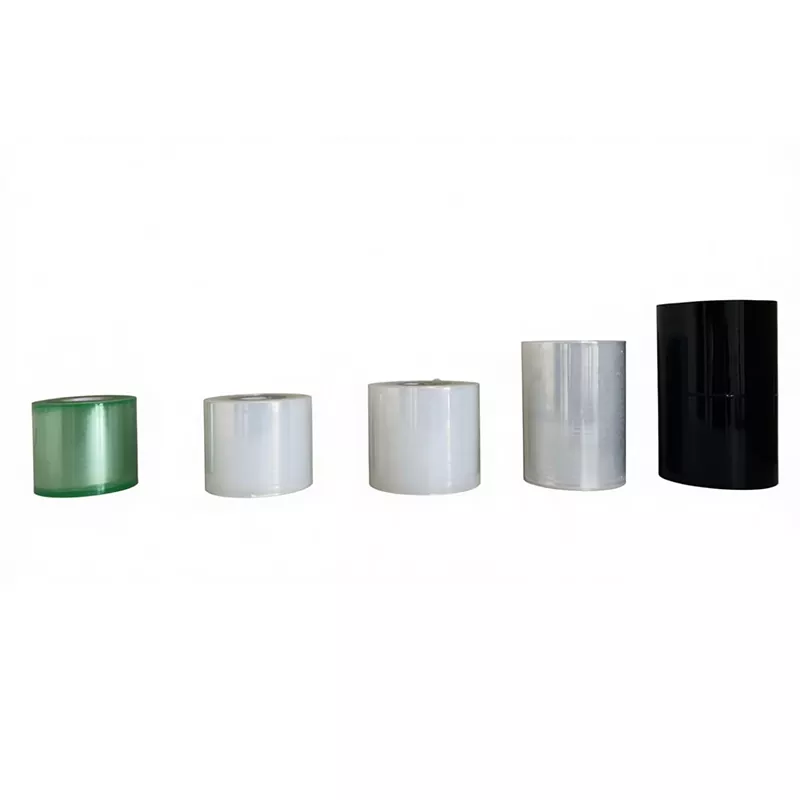
Different loads require different wrapping patterns. Custom perforation intervals, roll widths, and film colors can help businesses align the product with their packaging routines. Buyers should confirm the available specifications, minimum order quantities, and sample options with the manufacturer before placing a bulk order.
Material selection and mechanical performance should be evaluated together when sourcing pre-cut packaging film. The following table summarizes the typical technical values published for Yuhong's product. These figures are reference values rather than a substitute for a current, order-specific technical data sheet.
| Technical Parameter | Unit | Typical Value | Practical Significance |
|---|---|---|---|
| Film Thickness | μm | 15 | Supports lightweight manual wrapping applications |
| Material Base | — | LLDPE | Provides flexibility and self-cling properties |
| Elongation at Break (MD) | % | ≥150 | Indicates elongation performance in the machine direction |
| Breaking Load (MD) | N | ≥12 | Provides a reference for tensile performance in the machine direction |
| Paper Core Inner Diameter | mm | 76 | Fits a standard 3-inch core-compatible handling setup |
| Perforation Interval | — | Customizable | Can be matched to the intended wrapping routine |
| Film Color | — | Subject to customization | May support product identification and packaging differentiation |
The published mechanical values reference BB/T 0024-2018. Buyers should request the applicable test documentation and confirm the exact product configuration before using these values for engineering or procurement decisions. The relationship between the perforation pattern and finished-film performance should also be evaluated on representative loads.
For additional product details, visit Yuhong Pre-Cut Hand Stretch Film or review the company's broader stretch film product range.
Both products are intended for manual wrapping, but their separation methods and workflow advantages differ. The right choice depends on daily packaging volume, load characteristics, and how much time operators spend cutting or tearing film.
| Comparison Factor | Pre-Cut Hand Stretch Film | Standard Hand Stretch Film |
|---|---|---|
| Film Separation | Designed to separate at scored intervals | Usually torn or cut manually |
| Cutting Tool Requirement | Not normally required for designated separation | May require a cutter or manual tearing |
| Wrapping Workflow | Supports repeatable separation steps | Depends more on the operator's preferred technique |
| Waste Management | May reduce irregular tears and offcuts | Waste varies with cutting and tearing practices |
| Customization | Can include tailored perforation intervals | Typically focuses on film dimensions and material properties |
| Best-Fit Scenario | Repetitive manual packing with frequent film separation | General-purpose wrapping with varied cutting preferences |
Pre-cut film is not automatically the best option for every warehouse. If loads have unusual dimensions or operators need long, uninterrupted film lengths, standard hand stretch film may provide greater flexibility. A controlled trial comparing packaging time, film consumption, and load stability is the most reliable way to determine which product performs better in a particular operation.
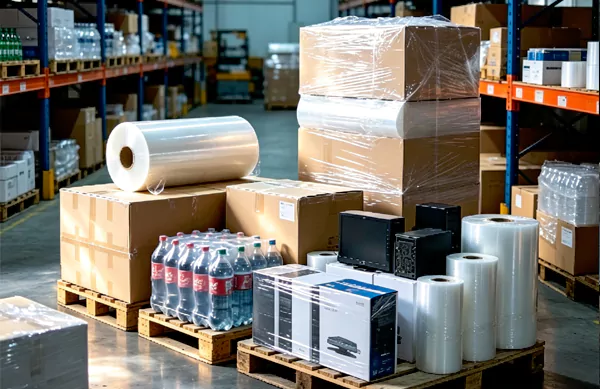
Pre-cut hand stretch film is most useful where manual wrapping remains an important part of the packaging process. It is particularly relevant to businesses that need straightforward operation without the space or investment required for an automatic wrapping machine.
Load suitability should always take priority over convenience. Heavy pallets, sharp protruding edges, unstable stacks, and loads with a high center of gravity may require thicker hand film, specialized wrapping materials, corner protection, or a different load-securing method. Pre-cut film should be validated for the actual shipment conditions before it becomes a standard packaging material.
Purchasing teams should evaluate the entire packaging process rather than compare products by price per roll alone. A lower-cost roll may become more expensive if it requires more material, increases handling time, or fails to maintain stable loads.
Consider the following factors before requesting a quotation:
A useful supplier evaluation should include sample testing. Wrap representative loads using the proposed film, inspect the separation points, and assess whether the finished pallets remain stable through normal handling. This practical step helps purchasing teams make decisions based on performance rather than assumptions.
Correct handling helps preserve film quality and maintain consistent wrapping results. Even a well-manufactured film may perform poorly if it is stored incorrectly or applied to an unsuitable load.
For demanding shipments, packaging teams should test the completed load under realistic handling conditions. Stretch film helps unitize goods, but it should not be treated as a substitute for appropriate pallet design, load distribution, or any additional restraints required by the transport method.
Pre-cut hand stretch film features factory-scored perforations that allow the operator to separate the film at designated intervals. Standard hand stretch film generally requires manual tearing or a cutting tool. The pre-cut design is intended to simplify the separation step during repetitive manual wrapping.
Yes. Yuhong lists customized segment lengths among its product options. Buyers should provide their usual pallet dimensions, wrapping pattern, and required segment length so the manufacturer can confirm feasibility and recommend an appropriate specification.
Not necessarily. Suitability depends on load weight, geometry, sharp edges, film properties, and the required level of load containment. Yuhong recommends considering heavy-duty hand film or other suitable packaging options for heavy loads and demanding applications. Always validate the chosen material under representative conditions.
The published reference specification includes a typical thickness of 15 μm, LLDPE material, elongation at break in the machine direction of at least 150%, breaking load in the machine direction of at least 12 N, and a 76 mm paper core inner diameter. Confirm the current technical data sheet for the exact product before ordering.
No. It may reduce irregular tears and offcuts, but waste still depends on wrapping technique, segment length, load dimensions, and material selection. Tracking film consumption per pallet is the best way to assess the actual improvement.
Yuhong's product information indicates that sample rolls are available. Buyers should confirm sample availability, courier charges, lead time, and whether the sample can match the proposed bulk-order specification before proceeding.
Include the intended application, estimated order quantity, target film thickness, roll width, core diameter, desired perforation interval, color requirements, and destination market. Providing load details and expected daily pallet volume also helps the supplier recommend a suitable configuration.
Choosing the right pre-cut film can help businesses simplify manual wrapping, standardize film separation, and manage packaging material more effectively. The most suitable solution balances convenience with tensile performance, perforation integrity, load stability, and total operating cost.
Yuhong offers Pre-Cut Hand Stretch Film with pre-stretched LLDPE construction and customizable specifications for different manual packaging requirements. Whether you supply an e-commerce warehouse, operate a logistics center, or manage a manufacturing facility, matching the film to your actual load conditions is the key to reliable performance.
If you are looking for a dependable China manufacturer for customized packaging film, explore Yuhong's Pre-Cut Hand Stretch Film and share your requirements with the team. Contact Yuhong to discuss segment lengths, roll specifications, sample evaluation, and bulk supply options. Contact us today to request a quotation and identify a practical stretch film solution for your packaging operation.