Rising workplace safety concerns drive adoption of ergonomic packaging consumables across global supply chains
As warehouse operations face mounting pressure to reduce occupational injury risks while maintaining packing throughput, extended-core handle stretch film is rapidly moving from a niche convenience product to a standard occupational health and safety (OH&S) staple across global logistics and manufacturing sectors.
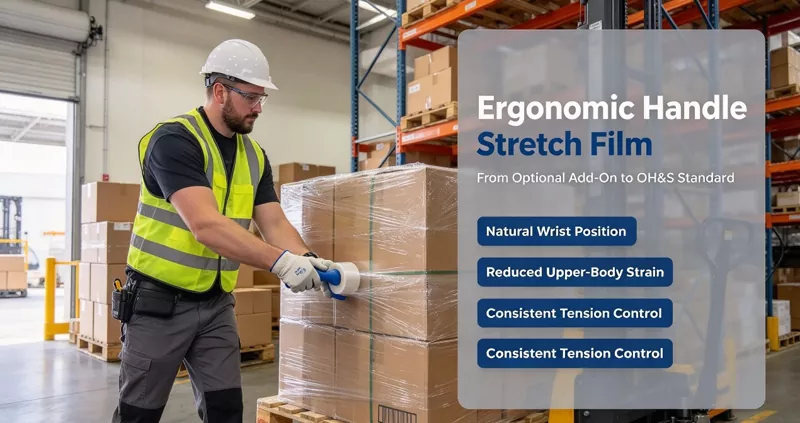
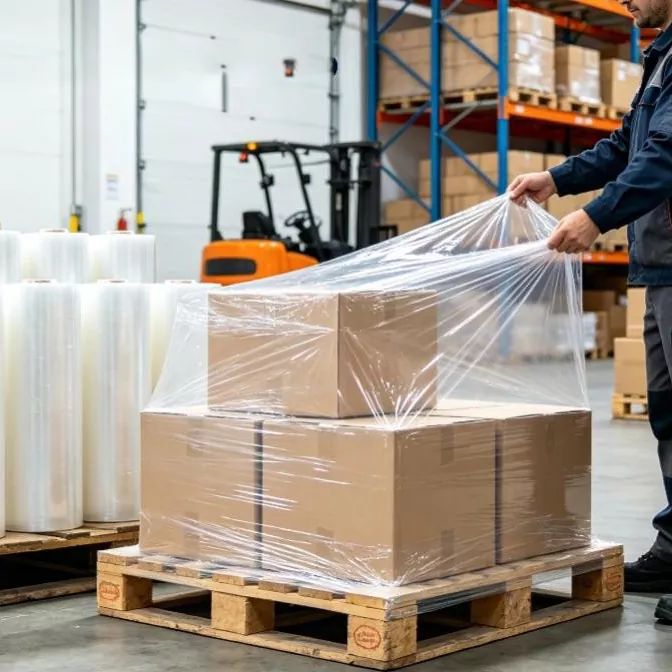
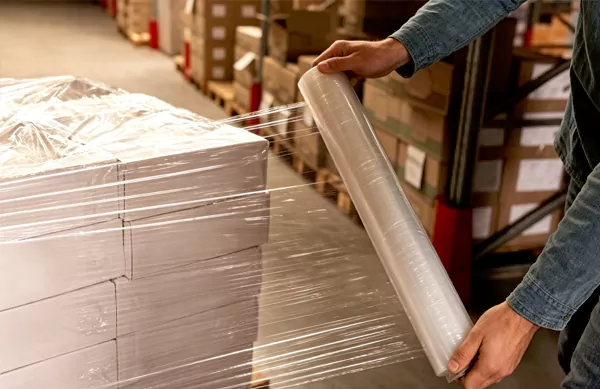
Manual pallet wrapping has long been recognized as physically demanding for warehouse teams. Musculoskeletal strain is a recurring issue for frontline packing staff. Workers lift heavy film rolls and pull tightly to build tension across hundreds of pallets per shift—repetitive motions that contribute to wrist, shoulder and upper-arm injuries over time.
According to a 2025 occupational safety survey by the China Federation of Logistics & Purchasing (CFLP), manual wrapping accounts for roughly 30% of all packaging-related musculoskeletal claims in mid-sized distribution centers. The associated costs accumulate steadily: sick leave, workers’ compensation payouts and lost production time all add to the total operational impact.
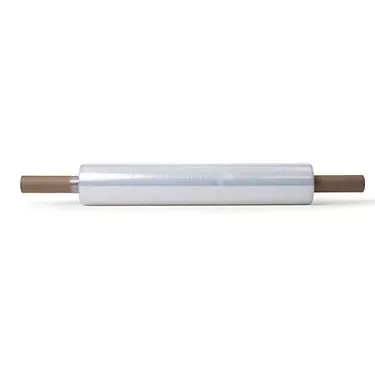
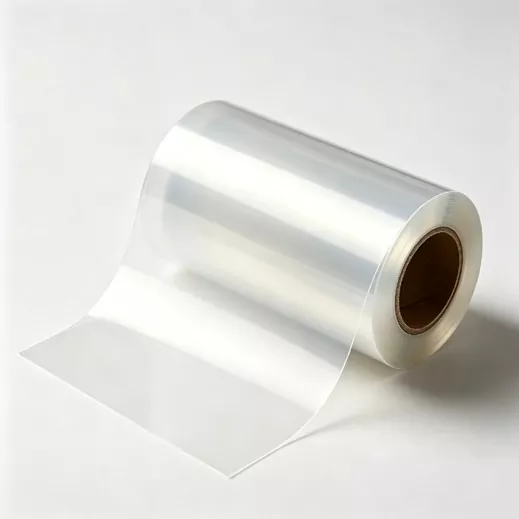
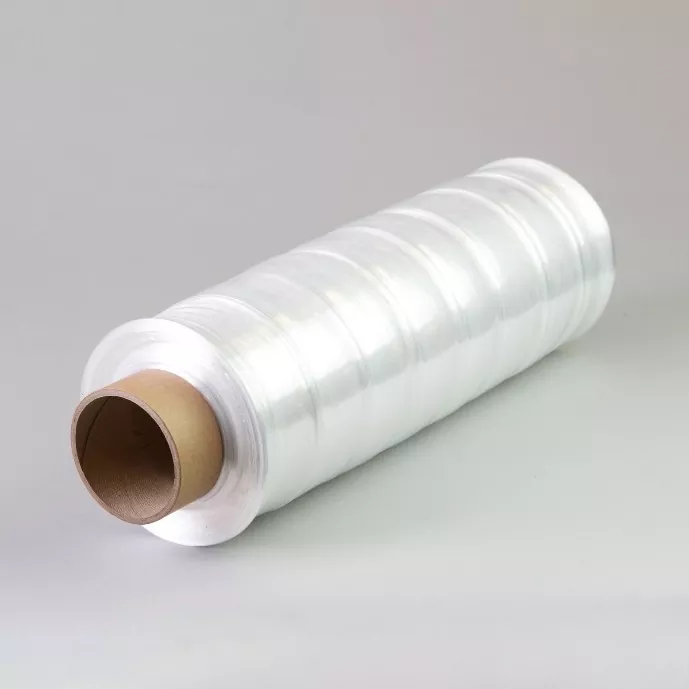
Extended-core handle stretch film addresses the problem at its source. The longer grip lets workers hold and guide the roll at a far more natural wrist angle. Tension is distributed evenly across the full width of the film, eliminating forced arm twisting or overreaching.
On-site trial data from Yu-Hong Plastic’s partner warehouse facilities shows the design reduces upper-body exertion per pallet by roughly 40% compared with standard flat-core hand wrap.
Industry figures confirm this on-the-ground shift. According to the 2026 Q2 Stretch Film Market Report from the China Packaging Industry Association (CPIA), the handle stretch film category is on pace to grow 8.6% in 2026—faster than the 7.1% growth projected for general hand stretch film as a whole.
Data from cross-border B2B e-commerce platforms for industrial packaging supplies also shows this segment jumped 23.4% year over year in 2025. The trend comes as more procurement teams move ergonomic packaging supplies up their priority lists to help reduce workplace injury claims and related operational costs.
Beyond safety, handle designs also support more consistent wrap quality. Since tension is controlled through the grip rather than depending entirely on individual worker strength, wrap tightness varies less between senior and junior staff. This can help reduce loose-load damage during transit—one of the major cost drivers for logistics operations.
“Fewer buyers are asking whether handle wrap is worth the premium these days. Instead, they’re asking how to integrate it into their standard packaging supply lists,” said Calvin Lin, Sales Manager at Yu-Hong Plastic. “We’ve seen steady growth in custom extended-core orders across our hand stretch film line, especially from buyers in Europe and North America, where OH&S compliance requirements are more stringent.”