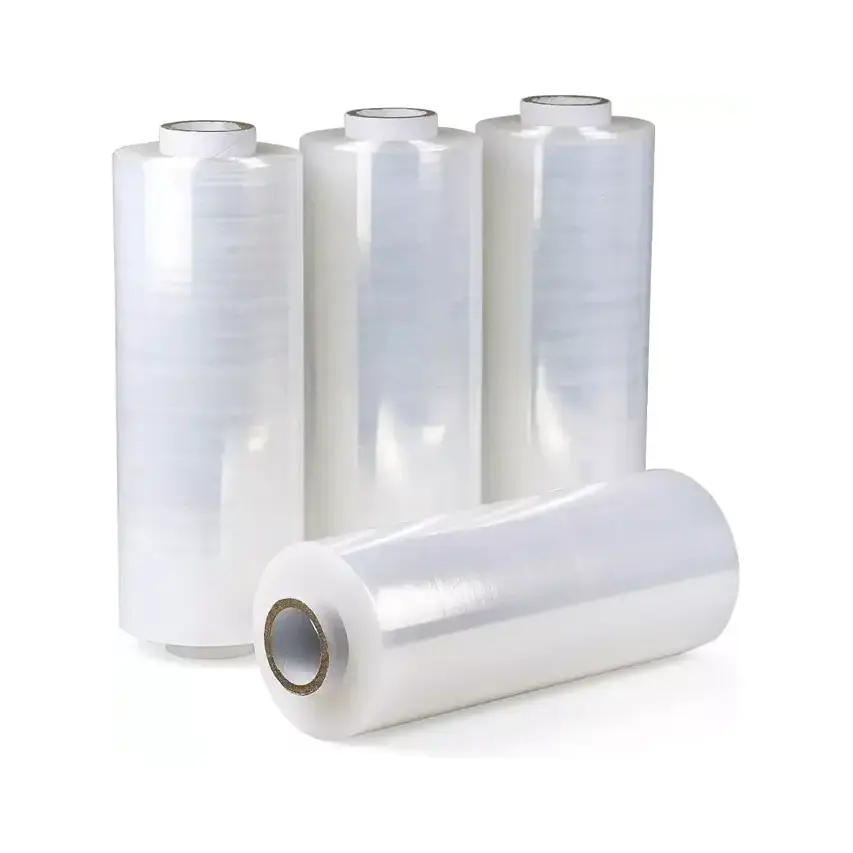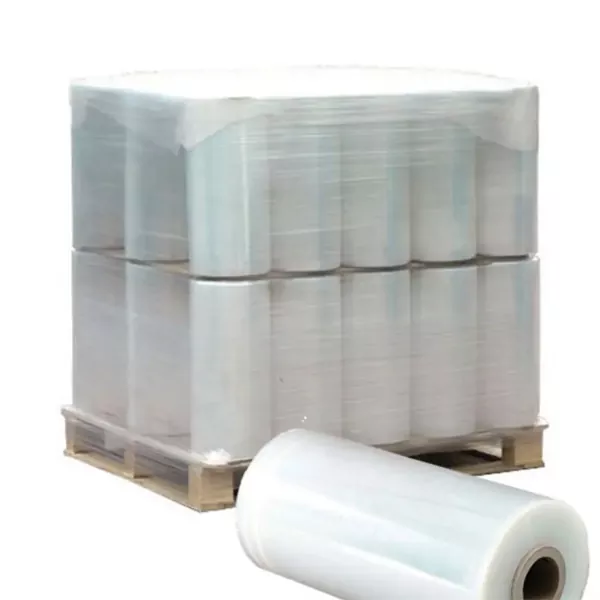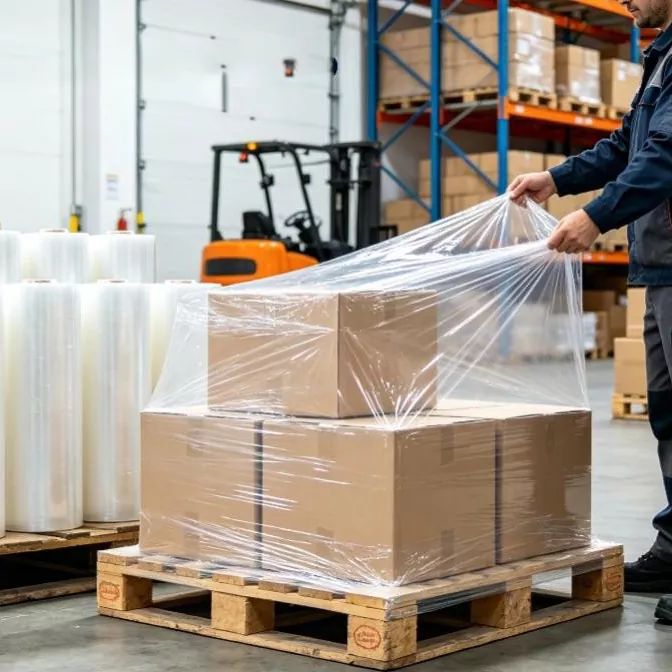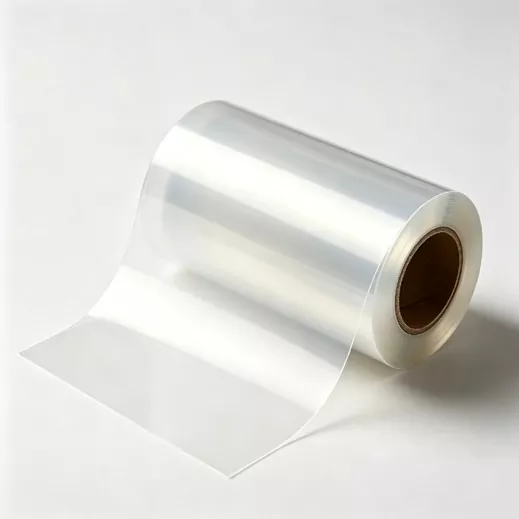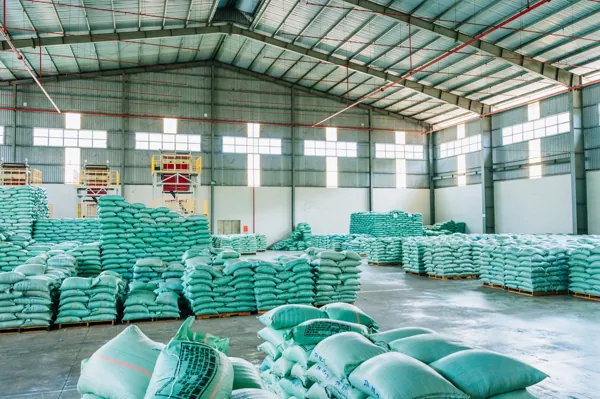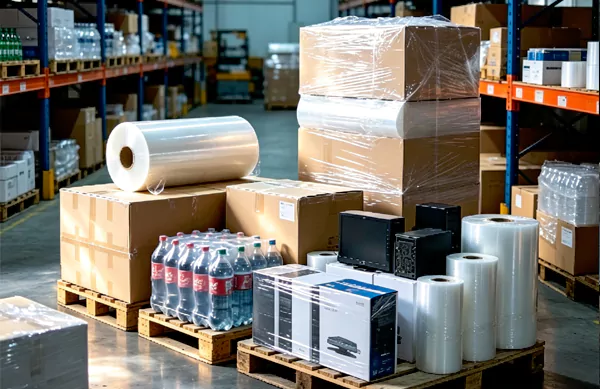
Article Summary: Tear-resistant stretch film is designed to help secure pallets and protect goods that may damage conventional wrapping during handling, storage, or transportation. By combining improved tear resistance, stretchability, and reliable cling, it supports more stable packaging for heavy products, sharp-edged materials, and irregular loads. Yuhong provides customized stretch film solutions to meet different industrial packaging requirements, helping buyers select suitable film specifications according to load characteristics, wrapping equipment, and transportation conditions.
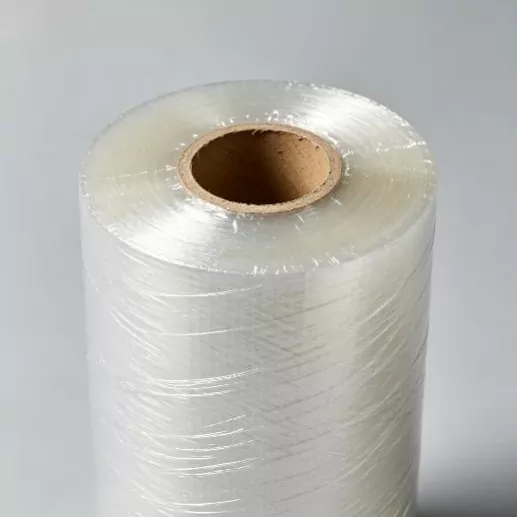
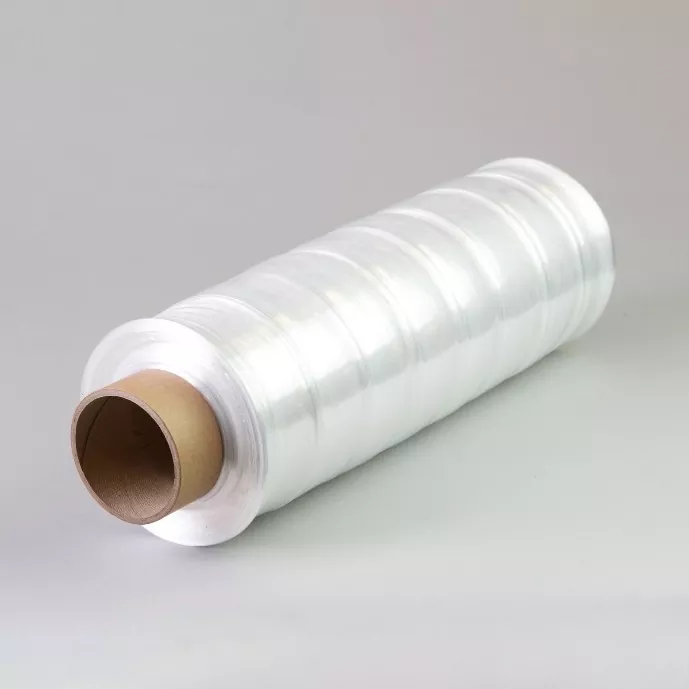
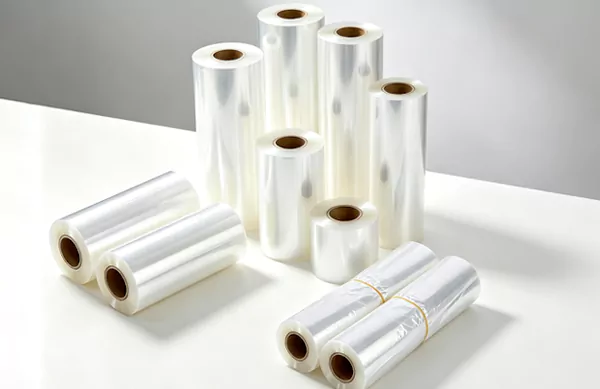
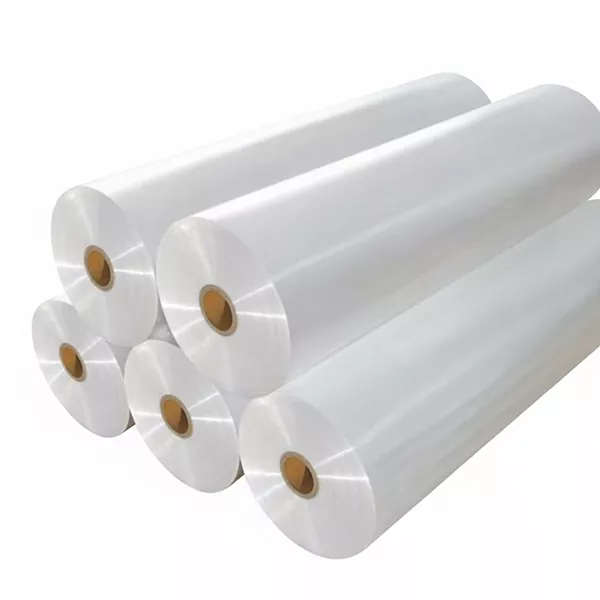
Tear-resistant stretch film is a flexible packaging material engineered to withstand tearing and maintain load containment during demanding packaging operations. Compared with conventional stretch wrap, specialized formulations are designed to offer improved resistance to damage caused by sharp corners, rough surfaces, concentrated pressure, and excessive wrapping tension.
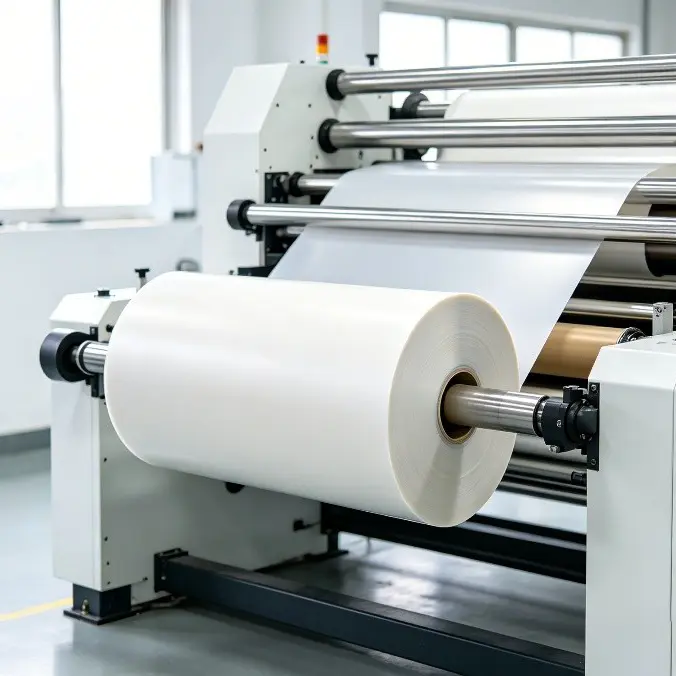
Many industrial stretch films use linear low-density polyethylene (LLDPE) as a primary material because of its flexibility, elongation, and resistance to mechanical damage. Through material formulation and controlled extrusion, manufacturers can develop films with performance characteristics suited to different packaging conditions.
According to Yuhong's specialty stretch film range, tear-resistant and puncture-resistant options are available for loads such as metal components, construction materials, and hardware. These applications require more than simple surface coverage: the wrapping must remain intact while the load is moved, stored, and shipped.
It is important to distinguish tear resistance from puncture resistance. Tear resistance describes a film's ability to resist the initiation or propagation of a tear, while puncture resistance relates to its ability to withstand penetration by a pointed or concentrated force. Both properties can influence packaging reliability, but they are not interchangeable.
A small tear can spread as a pallet moves through a warehouse or distribution network. Once the wrapping is compromised, the load may lose containment, allowing individual products to shift or become exposed to dust, moisture, and surface contamination.
For businesses shipping demanding loads, choosing appropriate tear-resistant stretch film can help address several operational challenges.
However, tear-resistant film does not eliminate every packaging risk. Pallet stability, load distribution, corner protection, wrapping tension, and handling practices remain important factors. Film selection should therefore be based on the complete packaging system rather than one performance characteristic alone.
The performance of tear-resistant stretch film depends on its material composition, thickness, manufacturing consistency, and intended application. Buyers should evaluate several properties before selecting a product.
These properties are particularly important when wrapping products with exposed edges, uneven surfaces, or concentrated pressure points. Reinforced or specially formulated films can provide better resistance to damage than standard grades, depending on the application.
Tensile strength describes the force a film can withstand when pulled, while elongation measures how much it stretches before breaking under specified test conditions. A suitable balance allows the film to stretch around a load without failing prematurely.
Stretch film generally relies on surface cling and overlapping layers to maintain a unified wrap. Consistent adhesion between layers helps the wrapping stay in position during storage and transport. Cling should be evaluated alongside film strength and wrapping tension.
Uneven film thickness can create weak points that are more likely to fail under stress. Consistent manufacturing and inspection help maintain predictable wrapping performance across rolls and production batches.
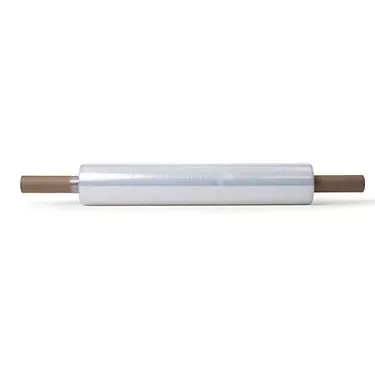
Hand-applied and machine-applied films have different handling requirements. Machine wrapping often involves controlled prestretch and repeated cycles, so the film must match the equipment's tension settings, speed, and load configuration.
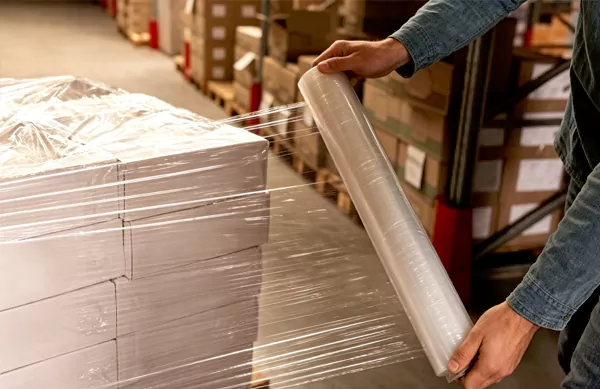
Tear-resistant stretch film is particularly useful when standard wrapping materials struggle with rough, heavy, or irregular products. Common applications include the following.
For loads with sharp protrusions, stretch film should not be expected to replace protective packaging. Cardboard edge protectors, corner boards, cushioning, or other suitable barriers can reduce localized stress and improve overall packaging reliability.
Standard stretch film is suitable for many routine packaging operations, especially when products have smooth surfaces and uniform shapes. Tear-resistant stretch film is a more specialized option for applications where the risk of wrapping damage is higher.
| Comparison Factor | Standard Stretch Film | Tear-Resistant Stretch Film |
|---|---|---|
| Typical application | Regular cartons and uniform pallet loads | Demanding loads with rough surfaces or sharp edges |
| Tear resistance | Suitable for routine packaging conditions | Enhanced in formulations designed for tear resistance |
| Puncture resistance | Depends on grade and thickness | Can be improved for specific demanding applications |
| Stretchability | Depends on material and specification | Must be balanced with strength and tear resistance |
| Equipment compatibility | Available for hand and machine wrapping | Must be selected for the intended wrapping method |
| Selection priority | Routine load security and packaging efficiency | Reduced risk of film damage under demanding conditions |
The right choice depends on actual load conditions, not simply the product name. A properly selected standard film may be sufficient for uniform loads, while specialized tear-resistant grades may be more appropriate for challenging cargo. Buyers should compare samples under the same wrapping conditions before making a large-scale purchasing decision.
Choosing the right film requires a practical assessment of the product, wrapping process, and shipping environment. The following checklist can help procurement teams communicate their requirements clearly.
For an initial discussion, the following specifications are useful reference points. They are general selection considerations rather than guaranteed product specifications.
| Parameter | What Buyers Should Confirm |
|---|---|
| Film thickness | Required gauge based on load and wrapping conditions |
| Film width | Compatibility with the pallet size and wrapping equipment |
| Core diameter | Fit with the dispenser or machine holder |
| Roll configuration | Roll length, weight, and changeover requirements |
| Mechanical performance | Tear resistance, puncture resistance, tensile strength, and elongation |
| Special requirements | Color, printing, storage conditions, or selected functional properties |
Yuhong's stretch film customization service covers dimensions, core options, colors, printing, and selected performance requirements. Actual availability should be confirmed against the intended application and order specifications.
Even high-performance film can fail when the load is poorly prepared or the wrapping process is incorrectly adjusted. Consistent application practices help the film deliver its intended performance.
Packaging teams should document the approved film specification and machine settings. This makes it easier to identify the cause of recurring failures and maintain consistent results across shifts and production sites.
Yuhong, formally Xiamen Yuhong Plastic Products Co., Ltd., has manufactured stretch film since 2008. Its production facility in Xiamen, China, covers approximately 3,000 m² and has an annual production capacity of around 5,000 tons.
For industrial buyers, working with a manufacturer that offers in-house production and specification support can make it easier to coordinate packaging requirements, sample evaluation, and repeat orders.
Yuhong's tear-resistant stretch film is designed for demanding wrapping applications involving rough wooden pallets, heavy metal components, and higher-tension machine wrapping. Its specialty film range includes formulations developed to improve resistance to tearing or puncturing compared with standard grades.
Relevant supplier capabilities include:
For more information, visit the specialty stretch film product page or review the manufacturer's factory and production capabilities.
When requesting a quotation, provide the film thickness, width, core diameter, required roll configuration, wrapping method, and details of the products being secured. This information helps the supplier assess the application and recommend a practical specification.
It is used to wrap and stabilize palletized goods that may tear ordinary stretch film, including metal components, construction materials, hardware, and irregularly shaped industrial products.
No. Tear resistance relates to the film's ability to resist tearing, while puncture resistance describes its ability to withstand penetration by a concentrated force. Some specialty films are designed to improve both properties, but performance should be verified separately.
No. Thickness is only one factor. Resin formulation, extrusion quality, tensile strength, elongation, tear resistance, puncture resistance, and wrapping conditions also affect performance. The best specification should be determined through application testing.
Yes, suitable grades can be used with automatic wrapping equipment. Buyers should confirm compatibility with the machine's prestretch system, tension settings, wrapping speed, and roll dimensions before production use.
Businesses can evaluate higher-performance films, optimize prestretch and tension, improve load arrangement, and reduce unnecessary wrap cycles. Any material reduction should be validated through load-stability tests to ensure that packaging protection is maintained.
Yuhong offers customized stretch film specifications and specialty film solutions. Buyers can discuss thickness, width, core size, roll configuration, and selected performance requirements with the manufacturer. Final options depend on the application and production feasibility.
Prepare the expected order quantity, film dimensions, core size, wrapping method, load weight, product shape, and any special performance requirements. Providing photos of the load and wrapping equipment can also help the supplier understand the application.
Tear-resistant stretch film can help reduce wrapping failures and improve load containment when packaging heavy, sharp-edged, or irregular products. The most effective choice balances tear resistance, puncture resistance, stretchability, cling, film thickness, and equipment compatibility. Rather than selecting a film based on a single specification, buyers should evaluate real packaging conditions and validate performance with representative loads.
Yuhong provides specialty stretch film solutions and customization support for industrial packaging requirements. If you are looking for a suitable film for demanding pallet loads, share your application details with the Yuhong team to discuss specifications, samples, and supply options. Visit the Yuhong official website and contact us today to find a tear-resistant stretch film solution that fits your packaging process and helps protect your goods throughout handling and transportation.