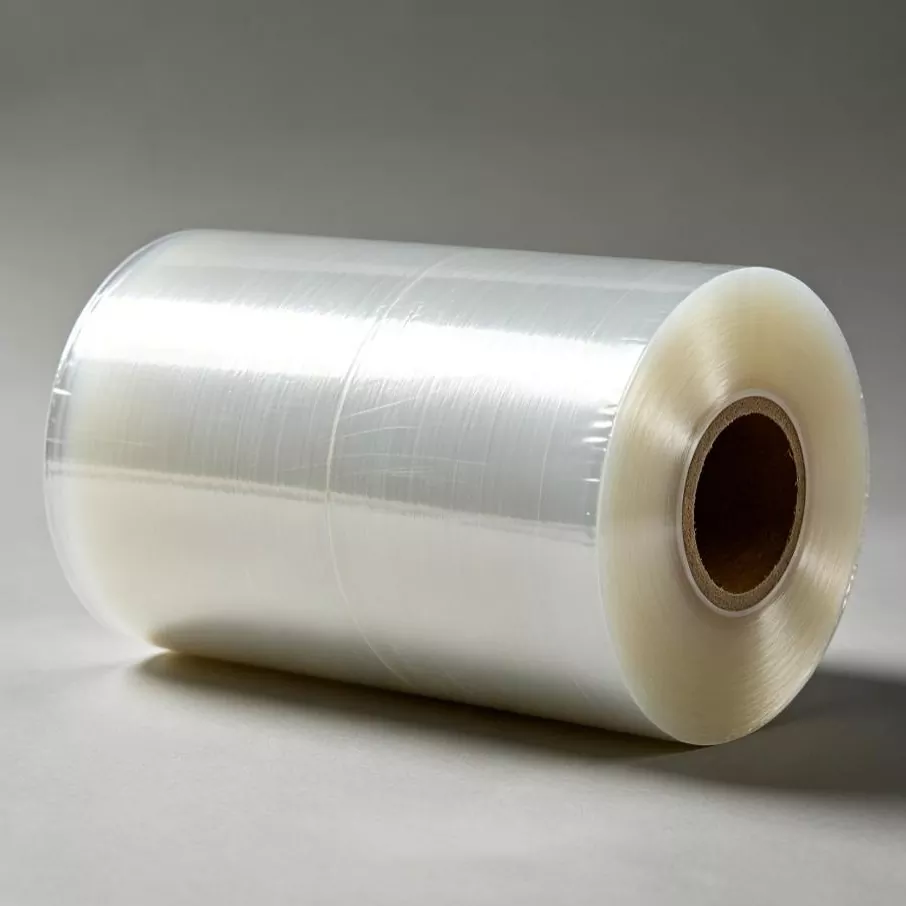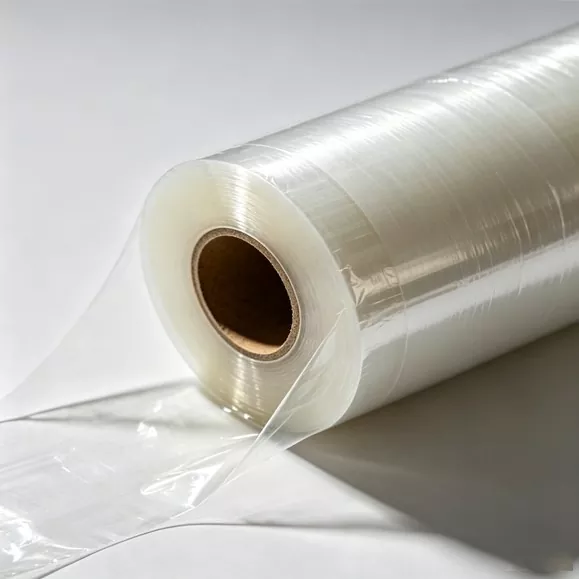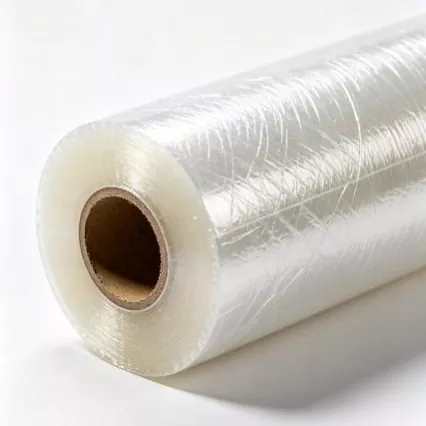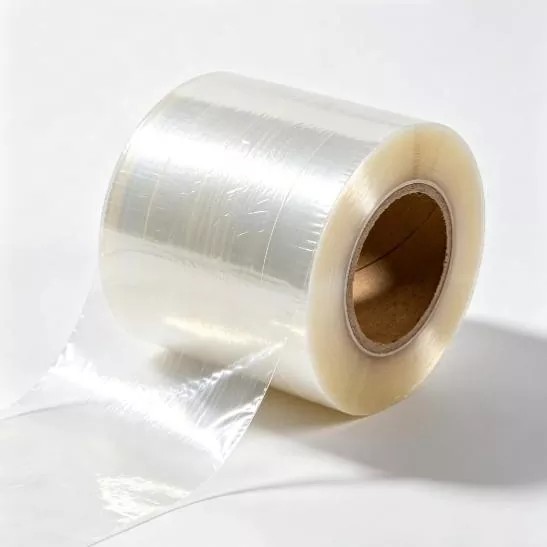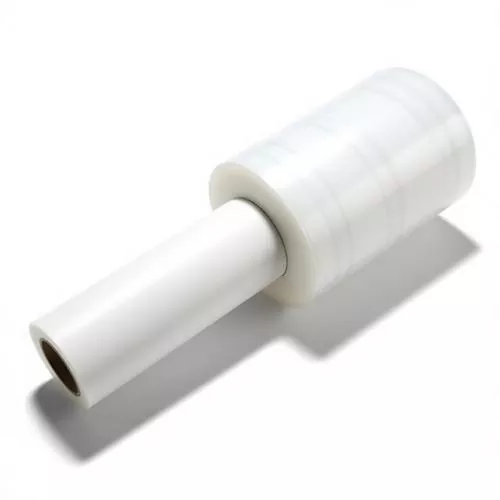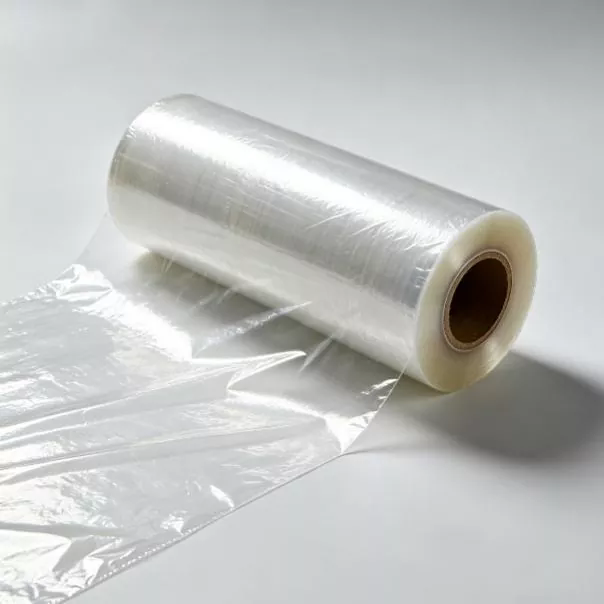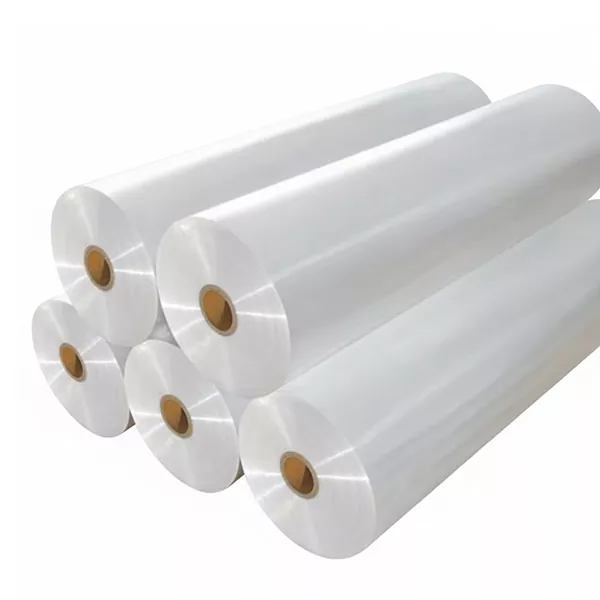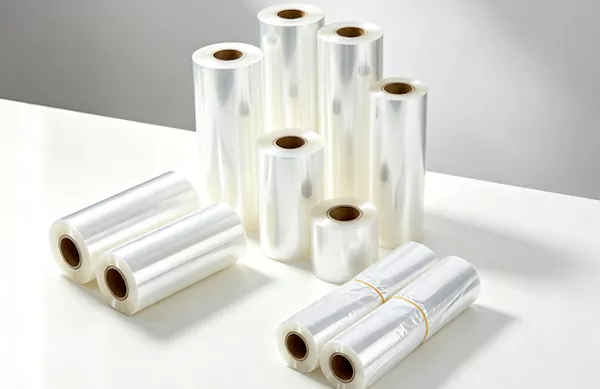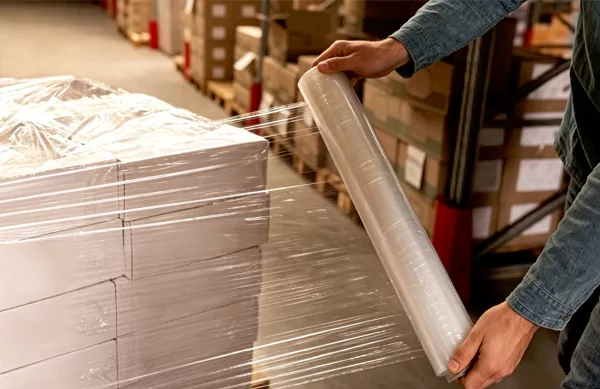
Down-Gauge Machine Stretch Film is becoming an increasingly practical solution for companies looking to reduce packaging material consumption while maintaining reliable pallet protection. Yuhong develops reduced-gauge machine stretch film for automated pallet wrapping, combining lower material usage with controlled strength, stretchability, cling, puncture resistance, and load containment performance.
As logistics, warehousing, manufacturing, and distribution operations continue to pursue lower packaging costs and more efficient material usage, down-gauging has become an important stretch film strategy. Instead of simply using more polyethylene to obtain strength, modern down-gauge films optimize polymer formulation, multi-layer structure, extrusion control, and stretching performance.
Yuhong Down-Gauge Machine Stretch Film is designed for automated wrapping applications where reducing film consumption must not compromise pallet stability. Typical specifications include a film thickness of 12–15 μm, breaking load in the machine direction of ≥11 N, and potential material savings of approximately 20% in suitable applications. However, the right film should always be selected according to the actual pallet, wrapping machine, transportation conditions, and required containment force.
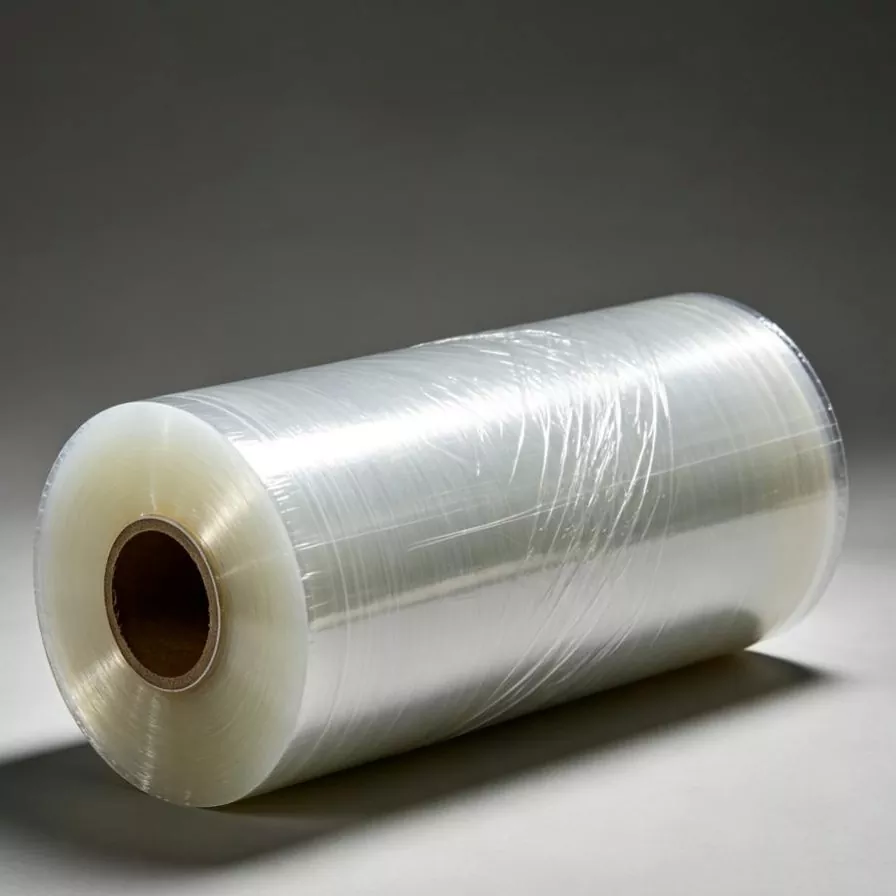
Down-Gauge Machine Stretch Film is a thinner version of conventional machine stretch film developed to reduce polyethylene consumption without giving up the essential properties required for pallet wrapping.
Traditional packaging strategies often rely on thicker film to achieve sufficient tensile strength and load containment. Down-gauging takes a different approach. Through optimized material formulation and multi-layer extrusion, the film is engineered to make more efficient use of every micron of material.
For automated packaging lines, this distinction is particularly important. A film may be thin, but if it breaks frequently or requires additional wrapping cycles, the theoretical material saving can quickly disappear. Effective down-gauging therefore means achieving an appropriate balance between:
According to Yuhong's product specifications, its down-gauge film is intended for automated pallet wrapping applications where packaging efficiency and material reduction are key considerations.
For businesses wrapping hundreds or thousands of pallets every month, film consumption can become a significant operating expense. Even a modest reduction in film used per pallet can produce measurable savings over an entire year.
Down-gauging can potentially reduce:
Yuhong's product information indicates approximately 20% material saving compared with conventional film in suitable applications. The actual result, however, depends on the original film thickness, wrapping pattern, stretch ratio, pallet configuration, and machine settings.
This is why buyers should compare film consumption per pallet rather than simply comparing the purchase price of individual rolls.
Technical parameters provide a useful starting point when evaluating whether a reduced-gauge film can replace a conventional specification.
| Technical Parameter | Unit | Typical Value | Purpose |
|---|---|---|---|
| Film Thickness | μm | 12–15 | Reduced-gauge structure |
| Breaking Load (MD) | N | ≥11 | Supports mechanical strength |
| Material Saving | % | Approximately 20% | Potential reduction in material consumption |
These values should not be interpreted as universal replacement specifications. The appropriate gauge depends on pallet weight, product geometry, machine configuration, transportation distance, and required containment force.
Reducing thickness places greater demands on the formulation and manufacturing process. A successful down-gauge film therefore needs more than simply a thinner layer of polyethylene.
Yuhong uses an LLDPE-based multi-layer structure in which different layers contribute to different aspects of performance.
| Film Component | Primary Function |
|---|---|
| LLDPE Base Layer | Tensile strength and stretchability |
| High-Performance Polymer Layer | Toughness and load stability |
| Adhesive Layer | Inter-layer bonding |
| Surface Layer | Handling and processing performance |
This structure helps distribute functional requirements throughout the film rather than depending entirely on thickness. The result is a packaging material designed to deliver strength and stretching efficiency with less polymer consumption.
The financial benefit of down-gauging becomes clearer when packaging is evaluated at pallet level.
For example, a distribution center wrapping a large number of pallets every day may consume significant quantities of conventional 20 μm or thicker machine stretch film. If a suitable 12–15 μm specification can achieve the required containment performance, the operation may use substantially less material.
Potential economic advantages include:
Importantly, the lowest micron value is not automatically the most economical choice. A film that breaks frequently can increase labor, downtime, and material usage. The best solution is the lowest gauge that reliably meets the packaging requirements.
Machine wrapping requires stable film feeding and predictable mechanical performance. Variations in thickness, tension, or stretch behavior can cause film breaks, wrinkles, uneven coverage, or excessive material consumption.
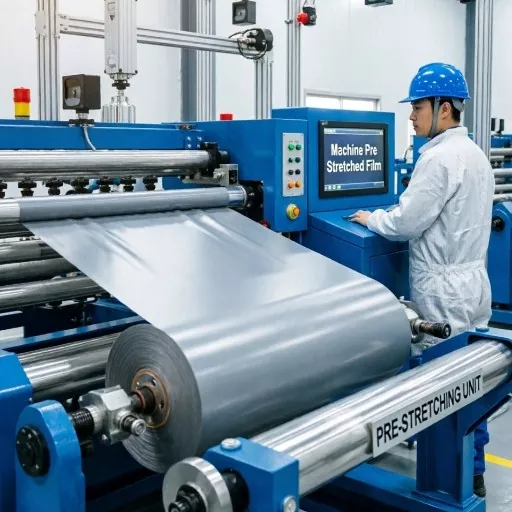
Down-Gauge Machine Stretch Film is intended for automated pallet wrapping systems, including common turntable and rotary-arm configurations. Before full-scale implementation, operators should optimize:
A practical trial is strongly recommended. Run several representative pallets on the existing machine and compare film consumption, breakage frequency, load tightness, and handling performance before changing the standard packaging specification.
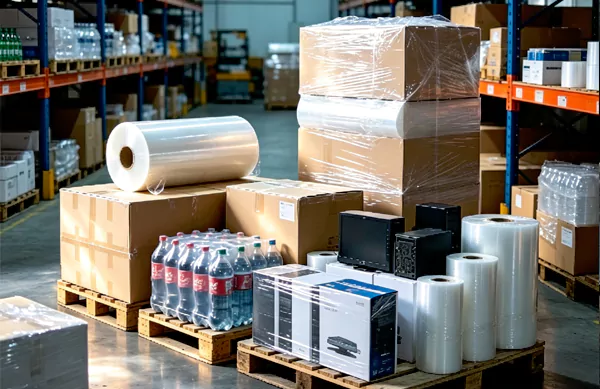
Because the primary advantage is reduced material consumption at high wrapping volumes, down-gauge film is particularly relevant to businesses with repetitive pallet packaging operations.
Distribution centers frequently process large quantities of palletized goods. Reducing film usage per pallet can therefore have a meaningful effect on total annual consumption.
High-volume fulfillment operations can use automated wrapping systems to secure cartons, mixed loads, and warehouse-transfer pallets. Consistent machine wrapping helps improve packaging-line efficiency.
Manufacturers can use machine stretch film to secure automotive components, machinery parts, electronic products, industrial supplies, and finished goods before storage or shipment.
Palletized food and beverage products often require stable wrapping for warehouse handling and transportation. Where the load configuration is suitable, a reduced-gauge film can lower material consumption without changing the fundamental wrapping process.
Choosing a down-gauge film should be based on actual packaging conditions rather than thickness alone. Buyers should evaluate the following factors:
For buyers sourcing from a China manufacturer or supplier, requesting samples and conducting an on-machine trial can provide more useful information than relying on nominal thickness or roll price alone.
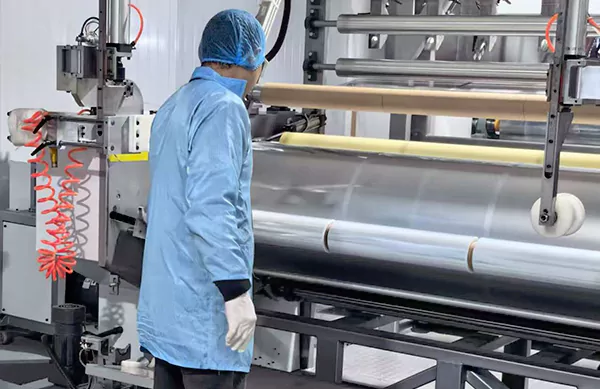
Producing consistent thin film requires careful control because small variations in gauge can influence stretching behavior and machine performance.
Polyethylene materials are selected according to the required strength, toughness, elongation, and recovery characteristics.
Multiple functional layers are combined through co-extrusion to balance strength, toughness, adhesion, and surface performance.
Film gauge must be controlled carefully because uneven thickness can result in inconsistent stretching and premature film failure.
Controlled stretching and cooling help establish the required molecular orientation and mechanical properties.
Finished rolls can be evaluated for appearance, thickness, weight, adhesion, and mechanical characteristics before packaging and shipment.
Quality control becomes especially important when using reduced-gauge film because there is less material available to compensate for manufacturing variation.
| Inspection Item | Why It Matters |
|---|---|
| Raw Material Inspection | Helps maintain material consistency |
| Thickness Measurement | Confirms gauge consistency |
| Tensile Strength Test | Evaluates mechanical strength |
| Elongation Test | Confirms stretching performance |
| Cling Test | Evaluates film-to-film adhesion |
| Puncture Resistance Test | Assesses resistance to tearing and puncture |
| Roll Weight Inspection | Checks product consistency and packaging accuracy |
| Appearance Inspection | Identifies visible defects and surface problems |
Yuhong states that its stretch film manufacturing process includes raw-material and finished-product controls, with testing covering key properties such as tensile strength, elongation, cling, puncture resistance, and thickness consistency. Its company information also identifies an ISO 9001-certified quality management system and approximately 5,000 tons of annual production capacity. :contentReference[oaicite:0]{index=0}
It is a reduced-thickness machine stretch film engineered to use less material per pallet while maintaining the strength, stretchability, cling, puncture resistance, and load containment needed for suitable automated wrapping applications.
It can replace conventional film in suitable applications, but the replacement should be confirmed through an actual wrapping trial. Load weight, pallet configuration, machine settings, transportation conditions, and required holding force all influence the result.
Yuhong's technical information indicates approximately 20% material saving for suitable applications. Actual savings vary according to the existing film specification, wrapping pattern, stretch ratio, pallet conditions, and machine settings.
Yuhong lists 12–15 μm as a typical thickness range for its down-gauge machine stretch film. The final specification should be selected according to the customer's application and packaging requirements.
Yes. The film is designed for automated pallet wrapping equipment, including rotary-arm and turntable systems. Machine tension and pre-stretch settings should be adjusted according to the selected film specification and load.
The best approach is to test it on the actual packaging line using representative pallets. Compare film consumption per pallet, film breaks, wrapping consistency, load stability, and performance during handling and transportation.
Useful information includes current film thickness, width, roll weight or length, pallet dimensions, approximate pallet weight, wrapping machine type, monthly film consumption, required color, packaging specifications, and private-label requirements.
Down-Gauge Machine Stretch Film offers a practical way to pursue lower material consumption without treating film thickness as the only measure of packaging performance. When the film formulation, multi-layer structure, extrusion consistency, machine settings, and pallet requirements are properly matched, businesses can potentially reduce packaging material consumption while maintaining reliable load stability.
For companies evaluating a thinner film, the smartest approach is to focus on total cost per pallet, not simply the price or micron value of a roll. Yuhong provides machine stretch film manufacturing, customized specifications, sample testing, and B2B supply support for different pallet-wrapping requirements. If you are looking for a reliable China stretch film manufacturer or want to evaluate a suitable reduced-gauge specification for your packaging line, contact us to discuss your application, film requirements, and customization options.
-